JAVATRAVEL

Contact Us!
eva@javatravelusa.com
About Us
At Java Travel, we believe that travel should be more than just a vacation, it should be a story worth telling. We specialize in personalized, meaningful travel experiences for individuals, couples, families, and small groups. From tropical escapes in the Caribbean to faith-based itineraries, bucket-list cruises, and diving adventures, we help travelers explore the world with ease, confidence, and intention.

The world is calling louder than ever in 2026. From the pristine reefs of the Red Sea to the newly explored frontiers of Saudi Arabia, the underwater world is waiting for you to dive in. But before you can feel the weightlessness of the ocean, you have to navigate the weight limits of the sky.
As we move further into 2026, airlines have tightened their belts: and their baggage holds. With “dynamic weight pricing” and stricter size dimensions becoming the new standard, traveling with your own gear requires a bit more strategy than it used to. But don’t let the logistics dampen your spirit of adventure! With a few smart moves and the support of Java Travel USA, you can fly stress-free and arrive ready for the dive of a lifetime.
The 2026 Landscape: Why Baggage Rules Have Changed
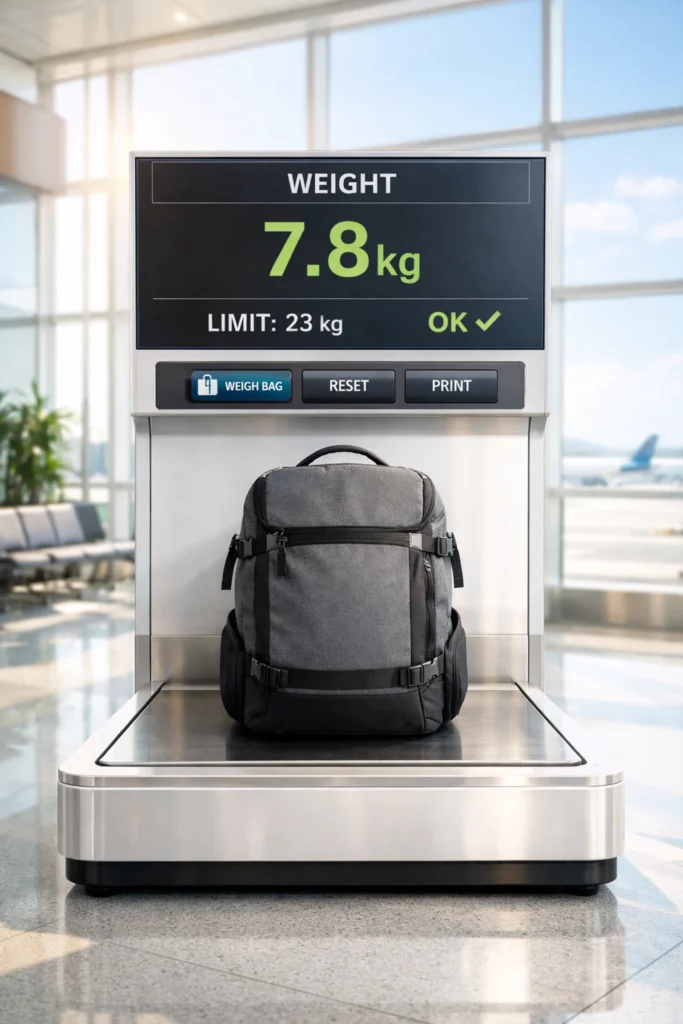
If you’ve flown recently, you’ve likely noticed that the 50-pound (23kg) limit is no longer a suggestion: it’s a hard line in the sand. In 2026, many carriers have introduced AI-driven scanning systems that flag bags even a few ounces over the limit. Oversize fees have also climbed, making that bulky rolling gear bag a potential budget-buster.
The key to beating these stricter rules is not just packing lighter, but packing smarter. It’s about knowing what needs to be in your sight at all times and what can safely travel in the belly of the plane. Whether you’re heading to a remote island in the Philippines or a luxury liveaboard, your journey starts at the check-in counter.
The “Golden Rule” of Scuba Carry-On
When it comes to your life-support equipment, keep it close. Your regulator, dive computer, and mask are the holy trinity of scuba travel. Not only are these items the most expensive and fragile, but they are also the most personal. If your checked bag goes on a detour to another continent, you can usually rent a wetsuit or fins. Renting a computer you don’t know how to operate or a regulator that feels “crunchy” is a quick way to ruin a dive.
The Carry-On Essentials:
- Regulators: Coil your hoses carefully to avoid kinks.
- Dive Computer: Always carry this on your person or in your hand luggage. Changes in pressure and temperature in the hold can occasionally mess with sensitive sensors, though it’s rare.
- Mask: A cracked lens can end a trip before it starts. Pack it in its hard case inside your carry-on.
- Lithium Batteries: This is a big one for 2026. All loose lithium batteries for your cameras and dive lights must be in your carry-on.
For more tips on navigating airport security without the headache, check out our guide on 5 TSA mistakes that could ruin your trip.
Mastering the Checked Bag: The 50-Pound Dance
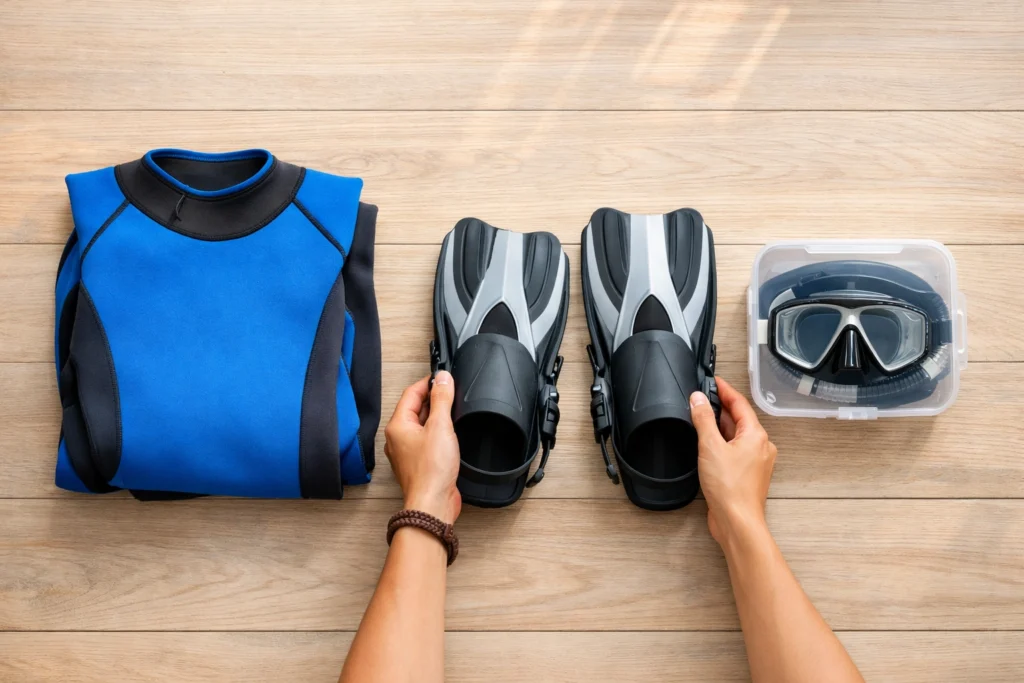
The rest of your kit: BCD, fins, wetsuit, and boots: will likely head into the checked hold. In 2026, the goal is to keep this bag under the 50-pound threshold to avoid those pesky “heavy bag” surcharges.
One of the best ways to save weight is to invest in “travel-lite” gear. Modern BCDs are often designed to fold flat and weigh half as much as their traditional counterparts. Similarly, high-tech wetsuits offer more warmth with less thickness, shaving off precious pounds.
Pro Packing Tip: Use your wetsuit as padding. Wrap it around your BCD and fins to provide a layer of protection against the rough-and-tumble world of airport baggage handlers. If you’re looking for a comprehensive list of what to bring, our ultimate packing checklist is your best friend.
The Tank and Weight Trap: Just Don’t Do It
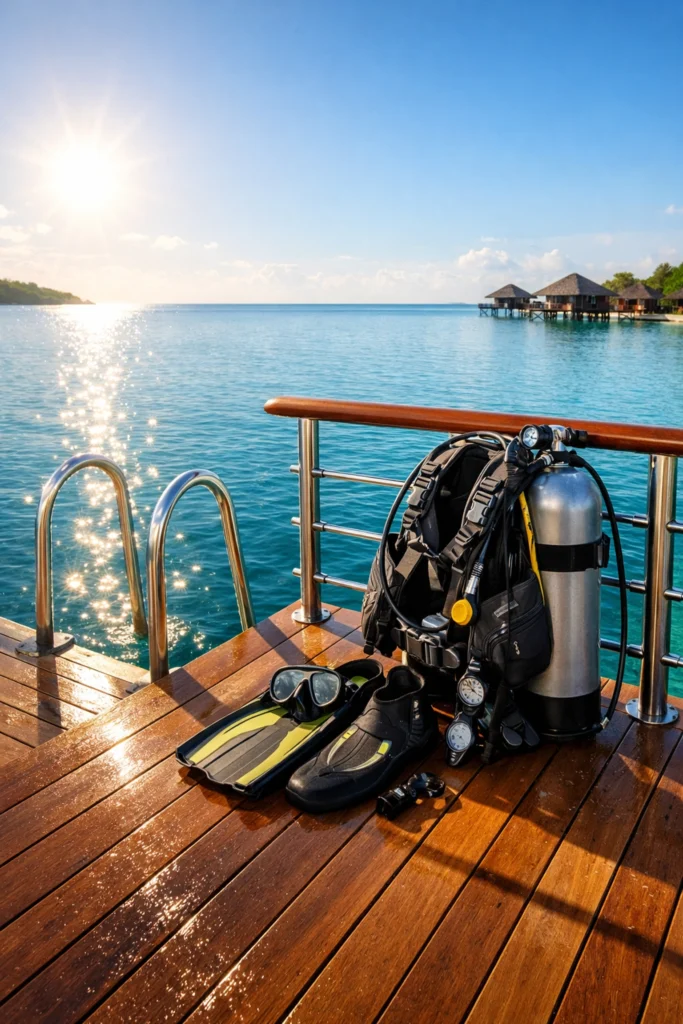
If there is one rule to live by in 2026, it is this: Leave the tanks and weights at home.
While some airlines allow you to transport empty tanks (with the valves removed for inspection), the fees and the sheer physical effort are rarely worth it. Almost every reputable dive operator in the world provides tanks and weights as part of their standard package. By renting these heavy items at your destination, you save yourself roughly 40 to 60 pounds of baggage weight instantly.
Traveling light isn’t just about saving money; it’s about the freedom to explore. Imagine landing in the Azores and being able to hop on a train or a smaller connecting flight without lugging a massive metal cylinder. It makes the transition from the airport to the Hawaii of Europe so much smoother.
Navigating the “Sporting Goods” Loophole
Some airlines offer a specific “sporting goods” allowance that can be a lifesaver for divers. In 2026, these policies are more varied than ever. Some carriers allow one bag of scuba equipment to count as a standard checked bag, even if it’s slightly oversized, as long as it stays under the weight limit.
However, be wary of hidden fees that many divers forget. Always print out the airline’s specific scuba gear policy and bring it with you to the counter. If an agent tries to charge you an extra fee that isn’t in their policy, having that paper in hand can save you hundreds of dollars.

The Java Travel USA Concierge: Your Logistics Lifeline
We know that you travel to escape the stress of daily life, not to add to it at the airport. That’s why at Java Travel USA, we’ve expanded our concierge services to handle the heavy lifting for you.
When you book a trip with us, we don’t just handle the hotel and the dives. Our concierge service can assist with:
- Shipping Gear Ahead: Why carry bags at all? We can coordinate with specialized couriers to have your gear waiting for you at your resort or liveaboard.
- Custom Itineraries: We ensure your connecting flights are on airlines with diver-friendly baggage policies.
- Local Rentals: We vet our partners to ensure that if you choose to rent gear, you’re getting top-of-the-line, well-maintained equipment.
Whether you’re heading to Egypt to see the Grand Return of the Red Sea or booking your very first liveaboard, we’re here to make sure the only thing you have to focus on is the beauty beneath the waves.
A Final Thought on 2026 Travel
The landscape of travel is always changing, but the magic of the ocean remains constant. The “stricter” rules of 2026 are simply a nudge to become more efficient, more mindful, and more prepared. When you pack your bag, you aren’t just packing rubber and neoprene; you’re packing the tools for your next great story.
So, check your weight, double-check your lithium batteries, and let us handle the rest. The water is warm, the visibility is clear, and your next adventure is just a flight away.
Ready to plan your next underwater escape? From the northern lights to the shores of Puerto Rico, Java Travel USA is your partner in world-class exploration. Let’s get you there!
Travel Tips traveling Your Quick-Start Guide to Flying with Scuba Gear: How to Beat Stricter 2026 Baggage Rules
Share Article:

Java Travel