JAVATRAVEL

Contact Us!
eva@javatravelusa.net
About Us
At Java Travel, we believe that travel should be more than just a vacation, it should be a story worth telling. We specialize in personalized, meaningful travel experiences for individuals, couples, families, and small groups. From tropical escapes in the Caribbean to faith-based itineraries, bucket-list cruises, and diving adventures, we help travelers explore the world with ease, confidence, and intention.
In Japan, tradition isn’t a dusty artifact hidden behind glass. It’s alive in the steam of a teacup, in the whisper of silk as a kimono sleeve brushes past, and in the echo of a temple bell ringing across a mountain valley. The beauty of visiting Japan is that you don’t just watch these customs from a distance—you step into them, living fragments of centuries-old culture in ways that feel surprisingly immediate.
The Art of Slow: Tea Ceremonies and Zen
The Japanese tea ceremony, or chanoyu, is less about drinking tea and more about immersing in a philosophy of mindfulness. The room is simple: tatami mats, a low hearth, and tools polished with decades of use. The host moves deliberately, each gesture carrying meaning. When you lift the bowl of frothy matcha to your lips, you’re not just tasting tea—you’re participating in an unbroken chain stretching back to the 16th century.
- Where to go: Kyoto’s Gion district is home to tea houses where masters in kimono guide guests through the ritual. In Kanazawa, you’ll find tea rooms overlooking tranquil gardens where the seasons frame the experience.
- When to try: Spring and autumn, when the view from the tea room’s garden becomes part of the ceremony itself.
Wearing History: Kimono and Yukata
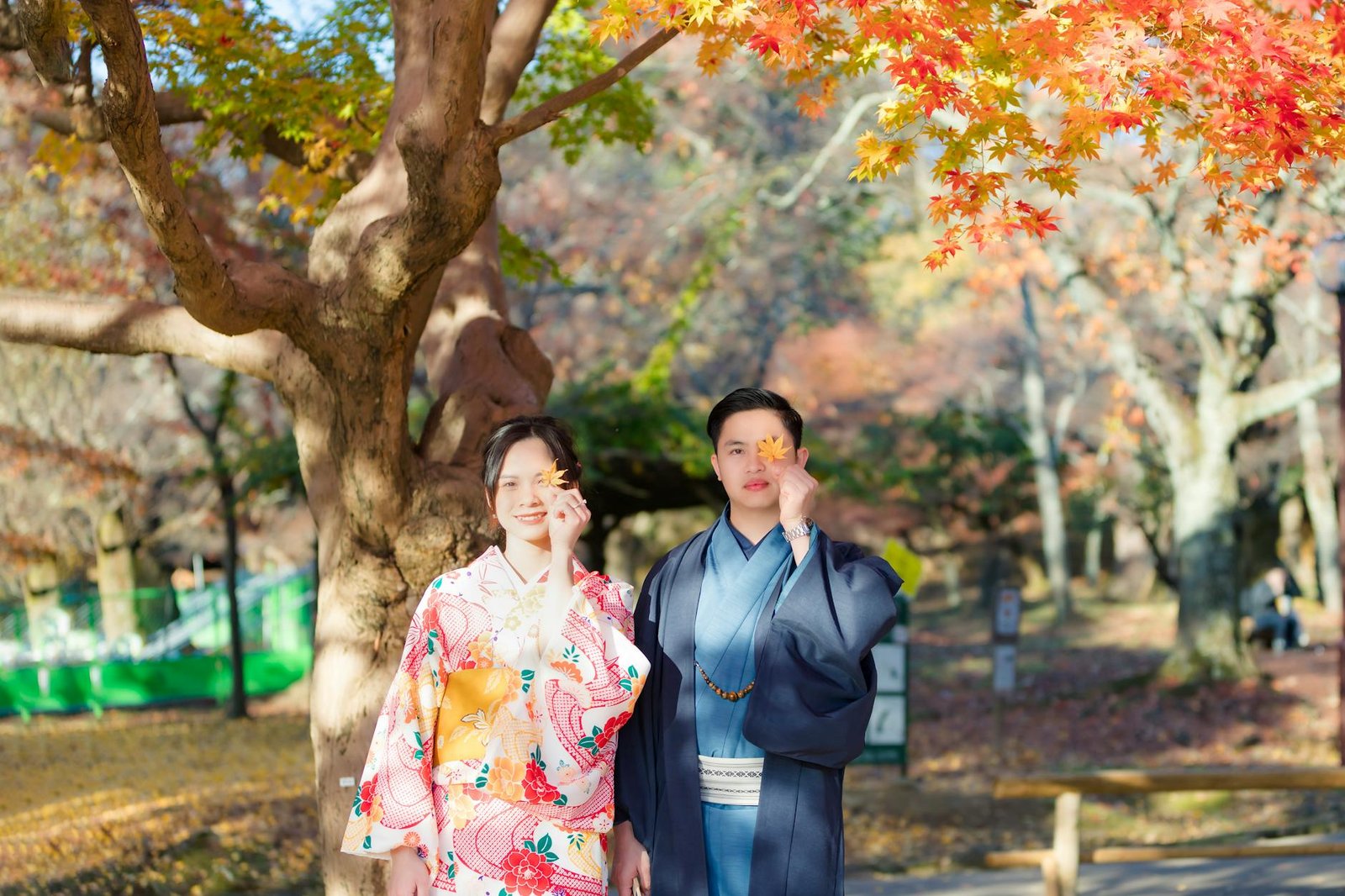
Sliding into a kimono is like stepping into a story. The layers, the folds, the careful tying of the obi—every part of the process speaks of formality, grace, and artistry. In summer, lighter cotton yukata are worn to fireworks festivals, paired with paper fans and geta sandals. Visitors often find that once dressed, their movements slow, their posture straightens, and they suddenly notice the rhythm of traditional Japan around them.
- Where to go: Rental shops in Asakusa (Tokyo) or Gion (Kyoto) let you walk the old streets in traditional dress. In smaller towns like Kurashiki, kimono rental includes strolling through preserved merchant districts.
- Tip: For families, children’s kimono rentals are widely available—adorable and unforgettable in photos.
Nights of Tatami and Onsen: The Ryokan Experience
Staying in a ryokan (traditional inn) is perhaps the most immersive way to encounter old Japan. You step out of shoes and into slippers, sleep on futons rolled out onto tatami mats, and feast on kaiseki ryori—a multi-course meal where each dish is a work of art. After dinner, slip into a yukata and soak in the ryokan’s hot spring bath, steam rising as the mountain air cools around you.
- Where to go: Hakone (near Tokyo) is famous for ryokan with views of Mt. Fuji. Kinosaki Onsen has seven public baths where you wander the town in yukata, dipping from one to another. Takayama offers ryokan stays with old-town charm.
- What to expect: Kaiseki meals often include seasonal and local ingredients, from river fish grilled over open flame to mountain vegetables foraged nearby.
Temples, Shrines, and Living Rituals
Visiting a shrine or temple in Japan isn’t just sightseeing—it’s participatory. At a Shinto shrine, you bow twice, clap twice, and bow once more, offering a coin before making a wish. At Buddhist temples, you light incense, write prayers on wooden plaques, or ring massive bells that reverberate across the landscape. Festivals like Obon and New Year transform these sacred spaces into vibrant centers of song, dance, and tradition.
- Where to go: Meiji Shrine in Tokyo for its grandeur, Fushimi Inari in Kyoto with its thousand red gates, or the mountain temples of Koyasan for an overnight temple stay with monks.
- Seasonal note: Visiting during New Year (Oshogatsu) or cherry blossom season means joining millions of Japanese in ancient traditions of renewal.
Craftsmanship with Soul
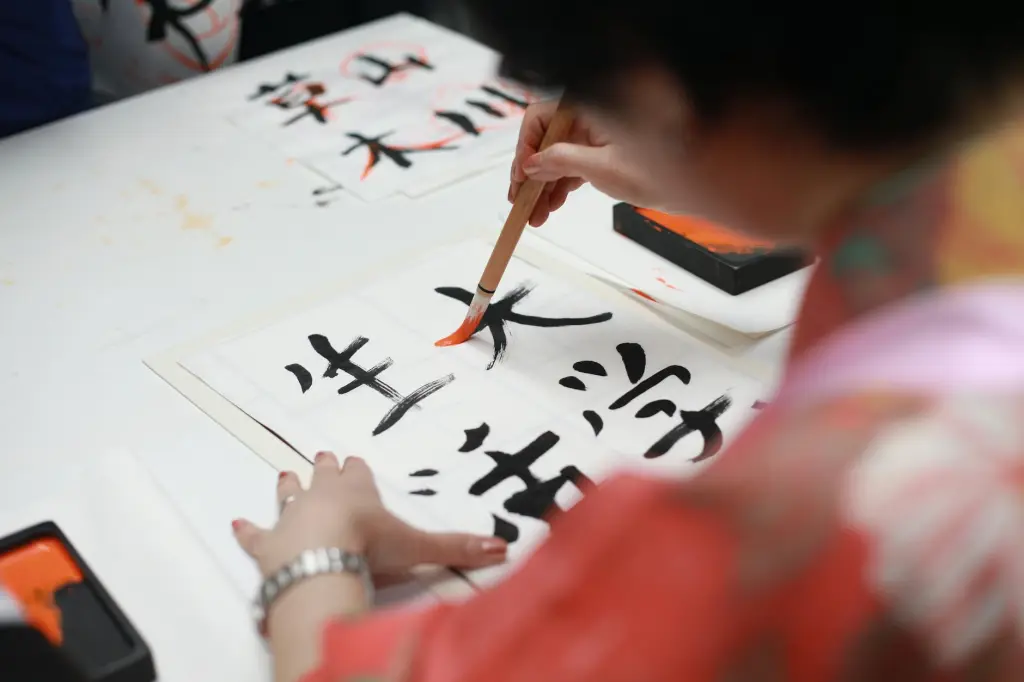
Japanese craftsmanship is deeply tied to spiritual practice. In Kanazawa, artisans demonstrate how a single breath applies fragile gold leaf to lacquer. In Mashiko, potters invite you to shape clay in workshops where generations have worked before. In Kyoto, you can learn calligraphy from a master, brushing kanji characters onto rice paper while guided by centuries of technique.
- Experiences to try:
- Gold leaf application in Kanazawa
- Indigo dyeing workshops in Tokushima
- Samurai swordsmithing demonstrations in Seki
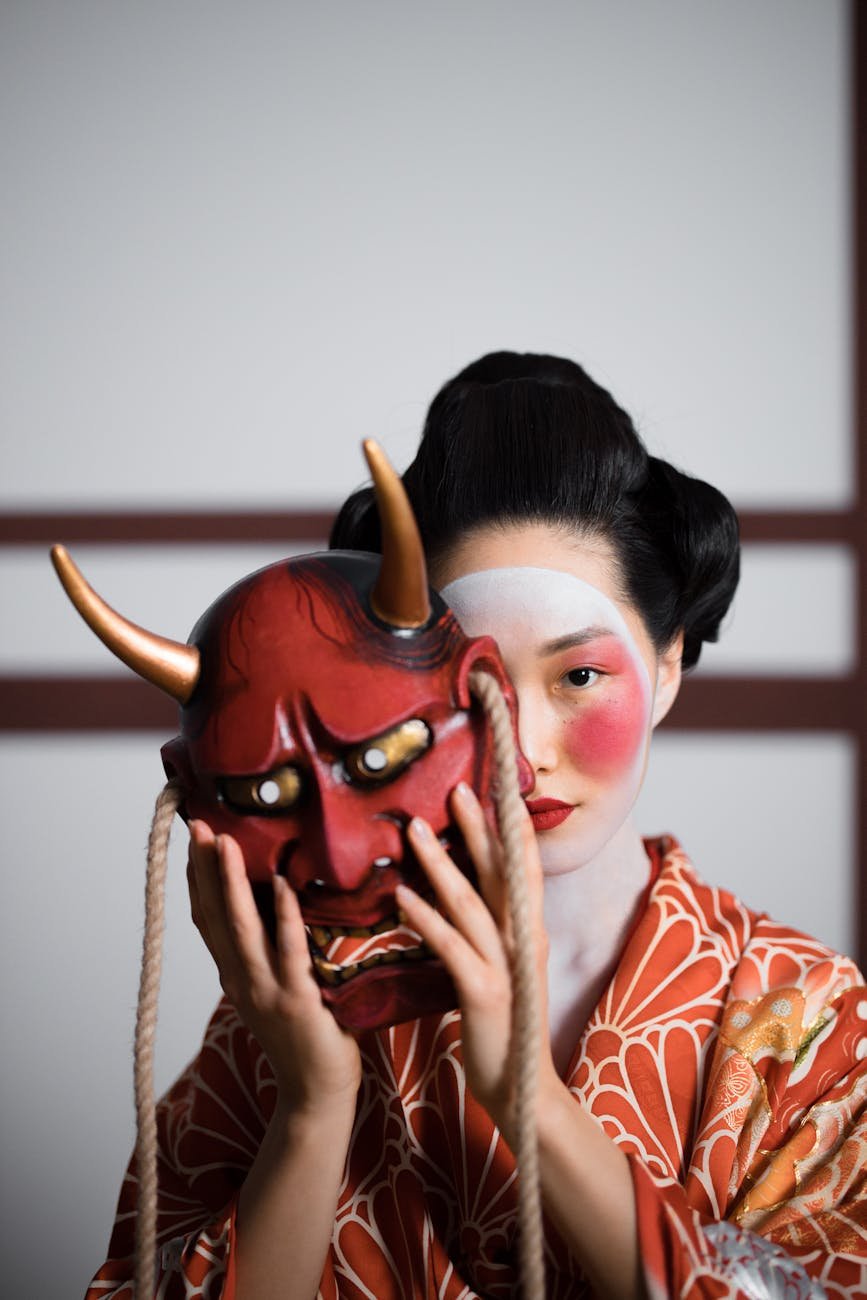
- Traditional Noh or Kabuki theater in Tokyo and Kyoto
These aren’t souvenirs—they’re connections to the living heart of Japan’s culture.
Why Tradition Still Matters
What makes Japan’s traditions remarkable is not just their preservation, but their seamless blending with modern life. You might ride a bullet train in the morning, then spend the afternoon sipping matcha in a centuries-old tea house. You’ll find vending machines in temple parking lots and monks tapping on iPads between prayers. Tradition isn’t frozen—it evolves, but never disappears.
For travelers, the gift of Japan’s living traditions is perspective. They invite you to slow down, to appreciate ritual in the everyday, and to see culture not as a performance, but as something you can touch, taste, and join.
BONUS
Seasonal Traditional Events in Japan
Winter (January–February)
- New Year (Oshogatsu) – Families gather to eat osechi ryori (special New Year’s dishes), visit shrines for hatsumode (first prayers), and children receive otoshidama (New Year money). Shrines like Meiji Jingu in Tokyo see millions of visitors.
- Setsubun (February) – People throw roasted soybeans (mamemaki) to chase away evil spirits and invite good fortune. At temples like Senso-ji (Tokyo) and Yoshida Shrine (Kyoto), crowds gather to join the lively rituals.
Spring (March–May)
- Hanami (Cherry Blossom Viewing) – Families and friends picnic under blooming cherry trees. Ueno Park (Tokyo) and Maruyama Park (Kyoto) are some of the most iconic spots.
- Takayama Spring Festival (April) – Floats adorned with intricate carvings parade through Takayama’s old streets, bringing Edo-period culture to life.
Summer (June–August)
- Gion Matsuri (July, Kyoto) – Japan’s most famous festival, with towering yamaboko floats paraded through Kyoto’s streets. Dating back over a thousand years, it’s a living connection to Kyoto’s merchant and artisan heritage.
- Awa Odori (August, Tokushima) – Dance troupes fill the streets with energetic chanting, music, and traditional costumes. Guests are often invited to join in!
- Tanabata (July) – The star festival, where people write wishes on colorful paper strips and hang them on bamboo branches. Sendai is famous for its elaborate decorations.
Autumn (September–November)
- Moon Viewing (Tsukimi) – Families enjoy rice dumplings (tsukimi dango) under the harvest moon. Kyoto’s Daikaku-ji Temple hosts boat rides on Osawa Pond for moonlit reflections.
- Shichi-Go-San (November) – A rite of passage for children ages 3, 5, and 7. Families dress children in kimono and visit shrines, creating a beautiful glimpse of cultural continuity.
- Takayama Autumn Festival (October) – Another seasonal float festival, mirroring the spring version but with harvest themes.
What makes these festivals magical is their inclusiveness. Travelers don’t just stand on the sidelines—many events invite participation, whether that means dancing at Awa Odori, writing a wish for Tanabata, or sharing in the excitement of bean-throwing at Setsubun.
They also tie seamlessly into your existing “touchable” traditions: staying in a ryokan during autumn to join moon-viewing events, or wearing a yukata while dancing through summer matsuri streets. For families, these festivals are unforgettable memory-makers; for solo travelers, they’re a chance to connect with locals in ways that transcend language.
adventure cherry blossom gion matsuri japan festivals japan fireworks japan seasonal travel japan snow monkey japan when to go japanese culture javatravel javatravelusa koyo omakase ryokan sengoku jidai shokubo ski in japan spa japan tea ceremony traveling travelivalda what to do in japan in spring summer winter autumn fall what to see in japan
Share Article:

Eva
Leave a comment
You must be logged in to post a comment.

0 Comments
[…] Traditional Japan: Culture You Can Touch […]