JAVATRAVEL

Contact Us!
eva@javatravelusa.net
About Us
At Java Travel, we believe that travel should be more than just a vacation, it should be a story worth telling. We specialize in personalized, meaningful travel experiences for individuals, couples, families, and small groups. From tropical escapes in the Caribbean to faith-based itineraries, bucket-list cruises, and diving adventures, we help travelers explore the world with ease, confidence, and intention.
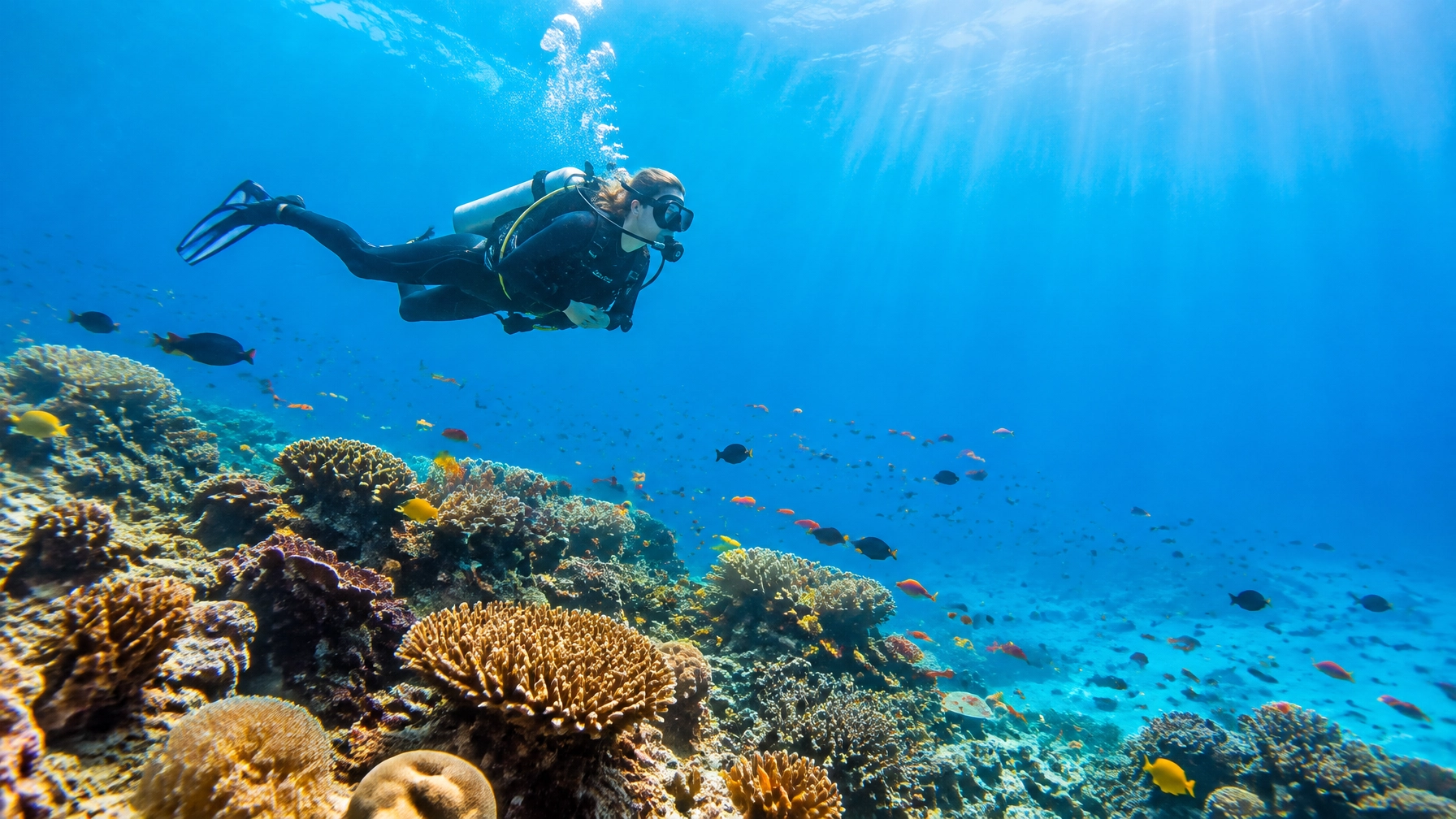
The Maldives is the dive trip many people plan for years. Beneath its turquoise lagoons, channels open into blue water filled with rays, sharks, turtles, and reef fish.
However, Maldives scuba diving requires more than choosing a beautiful island. You also need to match the atoll, season, currents, and trip style to your experience.
This guide explains what to know before you book. It covers the best regions, seasonal wildlife, logistics, and practical planning details.
Why Maldives Scuba Diving Belongs on Your List
The Maldives stretches across a vast area of the Indian Ocean. Its atolls form rings of coral reefs, lagoons, channels, walls, pinnacles, and sandy passes.
That geography creates exceptional diving variety. You might drift along a reef wall in the morning, then explore a coral pinnacle after lunch.
Visibility often feels expansive, especially during the drier season. Warm water, colorful reef life, and frequent pelagic encounters add to the appeal.
You can expect reef sharks, turtles, eagle rays, manta rays, schooling fish, and healthy coral communities. Conditions vary, though, so each atoll offers a different experience.
For more safety planning, review these scuba diving health and safety guidelines before departure.
Maldives Atolls Compared
Choosing an atoll matters as much as choosing a travel month. Some areas sit close to the international airport, while others require longer boat or domestic flight connections.
North and South Malé
These atolls offer the simplest introduction to diving in the Maldives. They sit near the main airport and support resort stays, day boats, and central liveaboard routes.
You can find house reefs, wrecks, pinnacles, walls, and channel sites. Because access is easy, expect more boat traffic at popular locations.
Ari Atoll
Ari remains one of the best all-round choices. South Ari Marine Protected Area is especially known for whale sharks.
Sightings can occur throughout the year. Still, marine life never follows a guaranteed schedule.
Ari also works well for mixed-experience groups. Resort divers can enjoy guided day trips, while stronger divers can explore current-rich sites.
Baa Atoll
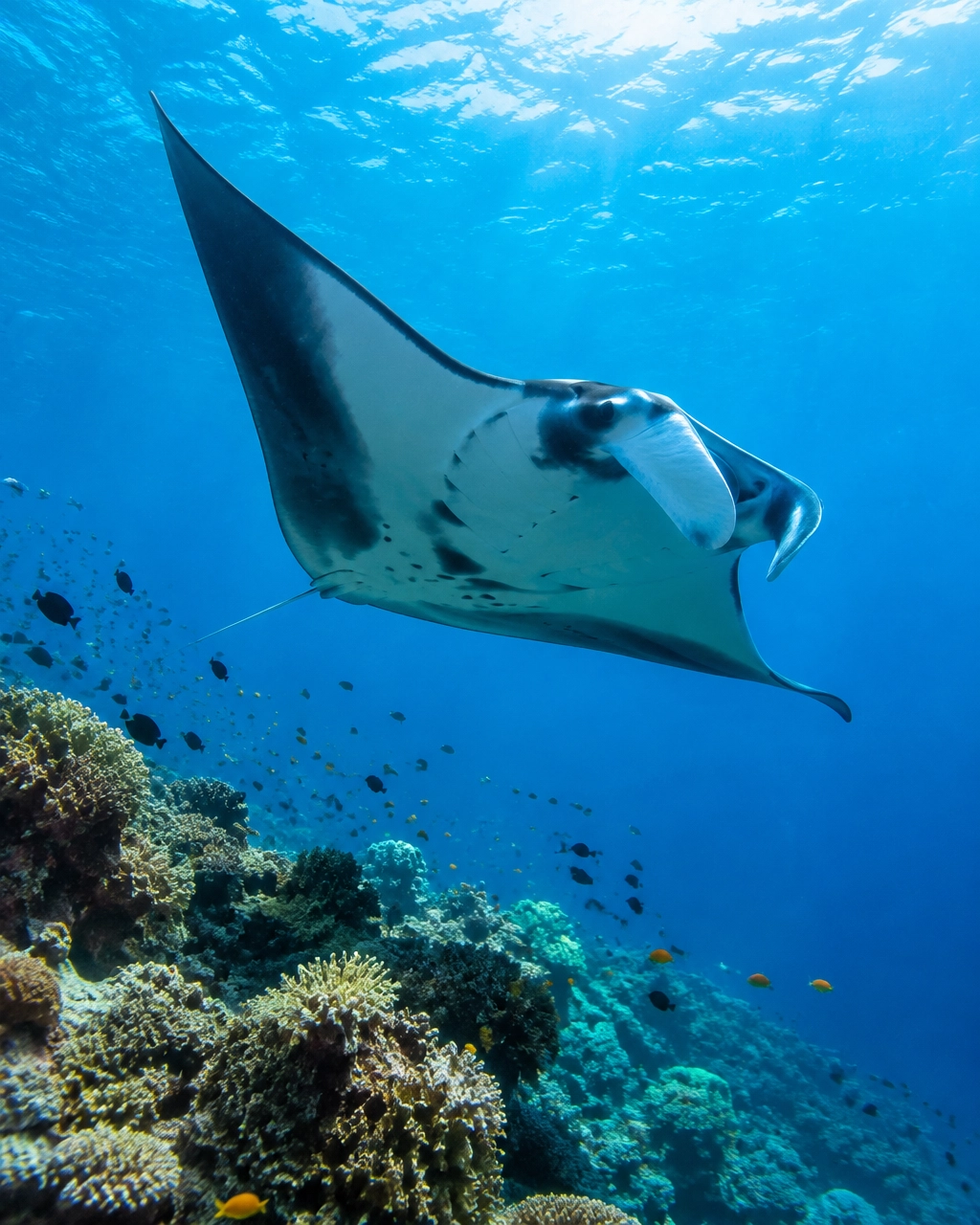
Baa attracts divers and snorkelers during the manta season. Hanifaru Bay can gather large numbers of manta rays when plankton-rich water concentrates inside the bay.
However, Hanifaru Bay operates under site-specific conservation rules. Visitors may snorkel rather than scuba dive, depending on current regulations and local supervision.
Treat this as a protected wildlife experience. Never touch, chase, block, or feed the animals.
Vaavu, Lhaviyani, and Meemu
Vaavu is a strong choice for channel diving and reef sharks. Incoming and outgoing tides can create powerful drift conditions.
Lhaviyani offers northern reef exploration and a quieter feel than the central atolls. Meemu feels even more remote, with fewer casual day-trip options.
These regions often suit divers who want fewer crowds. They also reward good buoyancy control and calm decision-making in current.
The Deep South
Huvadhoo, Addu, and Fuvahmulah offer more specialized diving. These regions can bring you closer to open-ocean pelagics, tiger sharks, large schools, and less-visited reefs.
Fuvahmulah is particularly known for tiger shark encounters and other pelagic species. Addu offers southern reef diving and historic underwater sites.
The deep south requires more travel planning. It also suits divers who already feel comfortable with changing conditions.
Maldives Liveaboard or Resort-Based Diving?
Both options can create an excellent trip. Your ideal choice depends on your group, experience, and preferred pace.
Choose a Maldives Liveaboard If You Want
- Access to remote atolls and channels.
- Several dives each day.
- More underwater time.
- A social experience with other divers.
- A fixed schedule centered around diving.
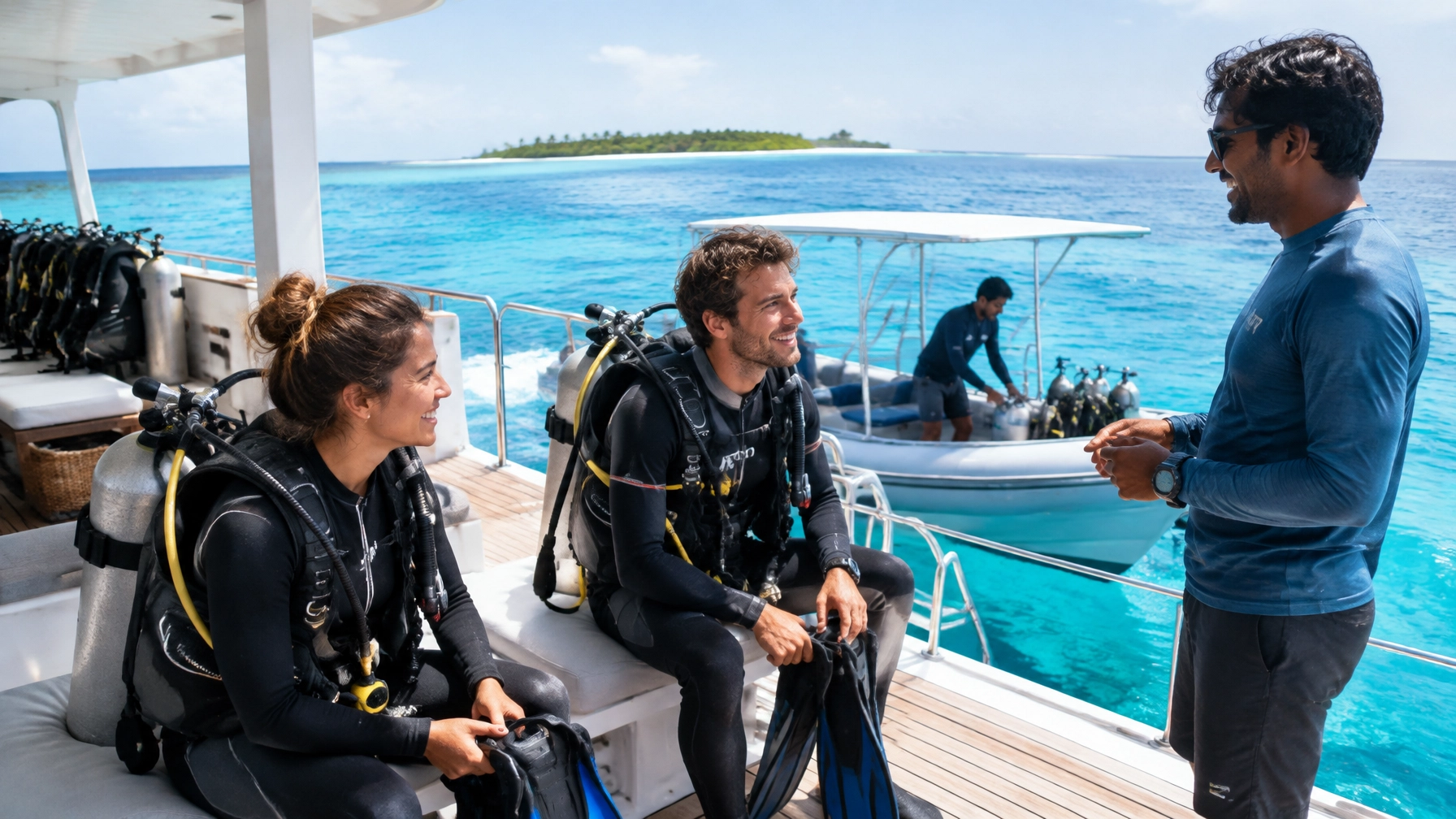
Liveaboards can cover more territory than most resort day boats. Some remote atolls are effectively liveaboard-only destinations.
However, the itinerary remains fixed. Weather, tides, currents, and marine life may change the route.
You should also feel comfortable on boats and with repetitive diving. A refresher or advanced course can help before your first liveaboard.
Choose a Resort If You Want
- Flexible dive days.
- Land time between dives.
- A stable room and private space.
- Options for families and non-diving companions.
- A better fit for mixed-experience groups.
Many resorts combine house reef diving with scheduled day boats. You can dive when you feel ready, then enjoy a quiet afternoon by the lagoon.
The trade-off involves fewer remote sites and more return trips to your base. Transfers can also require speedboats, seaplanes, or domestic flights.
Best Time to Dive in the Maldives
The best time to dive Maldives itineraries depends on your priorities. You should consider visibility, sea conditions, plankton, and target species together.
Northeast Monsoon: Roughly December Through April
This period often brings calmer seas and clearer visibility. Western atolls can offer excellent conditions for reef photography and pelagic sightings.
Manta and whale shark activity can still occur. However, the most productive location depends on currents and plankton movement.
December and April can act as transition months. Weather does not switch perfectly on a calendar.
Southwest Monsoon: Roughly May Through November
This season can bring more wind, rain, surface chop, and plankton-rich water. That lower visibility may attract more filter feeders.
Baa Atoll and Hanifaru Bay become especially appealing during this period. Manta rays often gather when plankton concentrates in the bay.
You may also find better value during wetter months. Still, flexible expectations matter because weather can alter boat routes.
In short, pelagic life depends more on season and location than on one specific month.
Maldives Manta Rays and Whale Sharks
Where to See Maldives Manta Rays
Hanifaru Bay in Baa Atoll is the famous seasonal manta gathering site. Mantas arrive when plankton-rich water creates ideal feeding conditions.
Other atolls can offer manta encounters throughout the year. Ask about cleaning stations, seasonal routes, and recent local patterns.
Where to See Whale Sharks
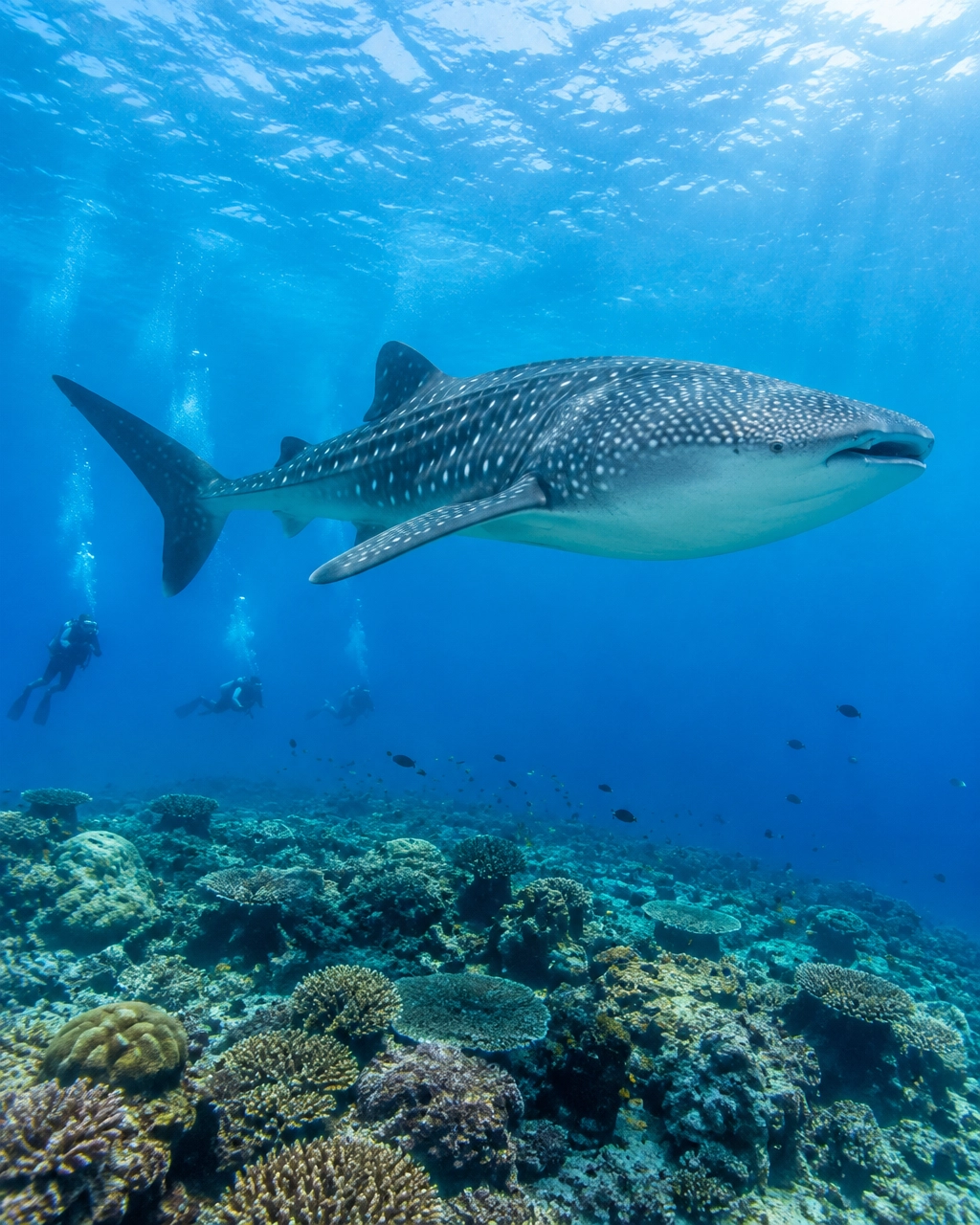
South Ari Marine Protected Area remains the strongest choice for whale sharks. Sightings can occur year-round, although no encounter is guaranteed.
Responsible operators keep respectful distances. You should never chase, touch, or crowd a whale shark.
Currents, Drift Diving, and Skill Level
Maldives diving often involves channels, tides, and drift techniques. Current direction can change during the same day.
Several sites reward solid buoyancy control and comfort with negative entries. You may also need a reef hook or surface marker buoy, depending on local procedures.
Before booking a first liveaboard, consider a refresher or advanced course. Practice deploying your surface marker buoy and managing gas in current.
Follow every briefing. Stay with your buddy, monitor your gas early, and never fight a current beyond your plan.
Conditions and Practical Logistics
Water temperatures usually sit in the low-to-mid 80s Fahrenheit. A three-millimeter shorty may suit warm-water divers, while a five-millimeter suit helps colder travelers.
A lightweight skin works well for repetitive dives and sun protection. Nitrox is widely available, but confirm availability and fees before booking.
The Maldives is a Muslim country. Dress modestly on Malé and inhabited local islands.
Alcohol is generally served on resort islands and liveaboards. Do not assume it is available on local islands.
Plan transfers carefully. Nearby areas may use speedboats, while distant resorts often require seaplanes or domestic flights.
Seaplanes usually operate during daylight. A late international arrival may require an overnight stay near the airport.
Most importantly, do not dive on the day of your flight home. Follow your dive computer and the most conservative no-fly guidance from your training provider.
Realistic Budget Tiers
Your total cost depends on comfort, distance, diving frequency, and transfer requirements.
Entry-Level Resort Packages
These typically focus on simpler rooms, scheduled boat dives, and fewer included extras. They can work well for newer divers and flexible travelers.
Confirm what the package includes before comparing options. Transfer costs can change the overall value.
Higher-End Resort Diving
Higher-end stays often provide larger rooms, private space, better dining choices, and convenient dive access. You may also find stronger house reefs and more frequent boat departures.
However, premium comfort does not guarantee better marine life. Choose the atoll and dive program first.
Liveaboard Charters
Liveaboards combine accommodation, meals, and diving in one itinerary. They can provide more dive time and access to remote regions.
Cabin category, nitrox, equipment, transfers, and park fees may vary. Always compare inclusions carefully.
What to Confirm Before Paying a Deposit
Ask these questions in writing:
- How many dives are included?
- What is the guide-to-diver ratio?
- Are boat, port, marine park, or transfer fees extra?
- Is nitrox included?
- Which room or cabin category is confirmed?
- How will you transfer between the airport and vessel or resort?
- Are rental computers, wetsuits, and other equipment available?
- Does your insurance specifically cover scuba diving?
- Do you need membership with a recognized dive-safety organization?
- Should you bring certification cards and logbooks?
- Is medical clearance required?
- What happens if weather changes the itinerary?
- What are the cancellation and rebooking policies?
Also, confirm the no-fly guidance after your final dive. Build extra connection time into your itinerary.
Common Maldives Diving Mistakes
Avoid booking only because a resort looks beautiful. The dive region may not match your goals.
Other common mistakes include:
- Choosing the wrong season for your target wildlife.
- Selecting strong-current sites without enough experience.
- Underestimating airport, boat, and flight connections.
- Forgetting the no-fly rule.
- Packing a full wetsuit for warm water.
- Assuming mantas or whale sharks are guaranteed.
- Ignoring weather and cancellation policies.
- Skipping dive-specific evacuation insurance.
You can also review the official travel FAQs and recreational diving regulations before departure.
How a Travel Concierge Helps
A travel concierge can match you with the right atoll, boat, or resort. That starts with your experience, target wildlife, travel dates, and preferred comfort level.
Your planner can coordinate multi-leg flights, domestic connections, speedboats, and seaplanes. They can also build buffer time around weather-sensitive transfers.
Mixed-experience groups benefit from careful planning. Divers may follow different programs while non-divers enjoy beach time, wellness activities, or excursions.
A concierge can also help organize certification cards, medical paperwork, insurance details, equipment requests, and cancellation questions. That preparation lets you focus on the blue water ahead.
Final Thoughts
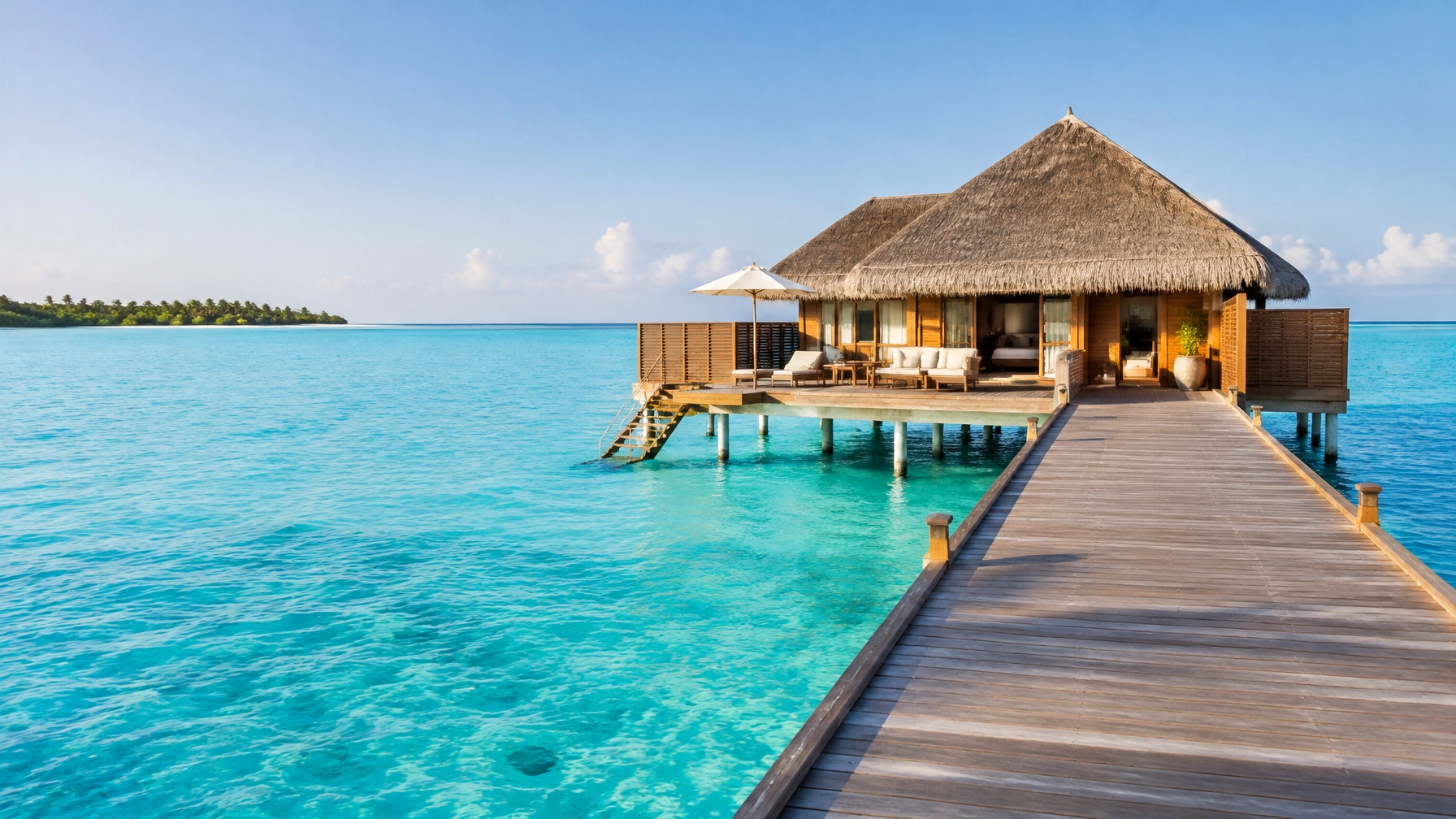
The best Maldives scuba diving trip matches your goals with the right region and season. Choose South Ari for whale shark possibilities, Baa for seasonal manta activity, and the deep south for specialist pelagic diving.
Choose a resort when flexibility matters. Choose a liveaboard when remote sites and maximum dive time matter more.
Conditions, marine life, seasons, availability, and policies can change. Confirm current details with your dive provider and travel planner before making final arrangements.
Email me at eva@javatravelusa.net to start planning your Maldives dive trip!
adventure maldives Maldives dive resorts maldives scuba diving maldives scuba diving trip deals promo scuba diving Travel Travel Tips traveling
Share Article:

Eva
Comments are closed.

1 Comment
[…] Each itinerary brings different conditions, wildlife possibilities, and travel logistics. For another destination to compare, explore our Maldives scuba diving guide. […]