JAVATRAVEL

Contact Us!
eva@javatravelusa.net
About Us
At Java Travel, we believe that travel should be more than just a vacation, it should be a story worth telling. We specialize in personalized, meaningful travel experiences for individuals, couples, families, and small groups. From tropical escapes in the Caribbean to faith-based itineraries, bucket-list cruises, and diving adventures, we help travelers explore the world with ease, confidence, and intention.
The Antarctica most travelers never see lies beyond the familiar Peninsula route. For Antarctica 2027, two rare departures venture farther, pairing remote seas with a deeply immersive expedition experience. A travel concierge can help you choose the right route and coordinate the many moving parts.
Why These Antarctica 2027 routes are rare
Most Antarctica cruises follow a narrow, well-visited corridor around the Peninsula. These departures go farther: one toward the remote Bellingshausen Sea and Peter I Island, the other into the ice-bound Weddell Sea and onward to South Georgia.
The Bellingshausen Sea and Peter I Island sit beyond the standard Peninsula circuit. Few ships sail there, and access depends on changing sea ice and weather. The Weddell Sea is also seldom reached, while South Georgia is renowned for its extraordinary sub-Antarctic wildlife coast.
These are expedition itineraries, not fixed sightseeing schedules. Their appeal is the chance to travel through seldom-visited landscapes, with plans shaped by conditions along the way.
Compare the two departures
| Departure | Dates | The route’s defining draw | A good fit if you… |
|---|---|---|---|
| Bellingshausen Sea and Peter I Island | January 14–February 7, 2027 | Remote Antarctic waters and a possible visit to rarely reached Peter I Island | Want to venture beyond the usual Peninsula circuit |
| Weddell Sea and South Georgia | February 7–March 6, 2027; 27 nights | Ice-choked Weddell Sea paired with South Georgia’s wildlife-rich coast | Want a longer voyage with both deep polar exploration and wildlife |
Both departures are discounted, with savings of thousands of dollars per berth. Cabin availability and offer details can change, so confirm them before making plans.
Bellingshausen Sea and Peter I Island
This route heads south from the Peninsula toward the seldom-visited Bellingshausen Sea. It may include exploration near Ellsworth Land and an attempt to reach Peter I Island, a remote, volcanic island surrounded by exposed waters.
Helicopters may help the expedition team scout landing possibilities and support safe access where conditions permit. A landing on Peter I Island is not guaranteed. Ice, weather, and operational decisions shape what is possible.
Weddell Sea and South Georgia
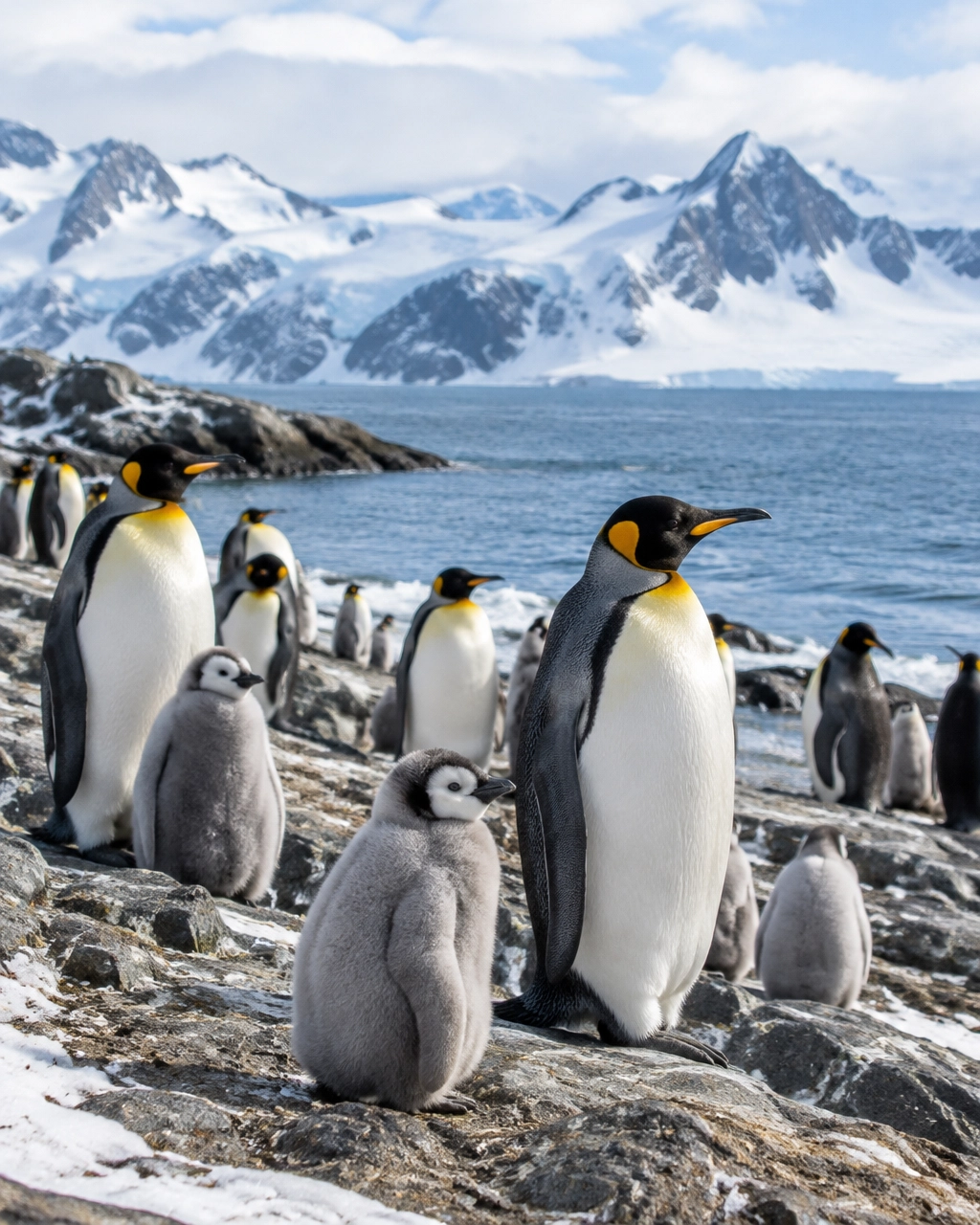
The longer voyage pairs two strikingly different regions. South Georgia brings dramatic coastlines and vast seabird colonies; the Weddell Sea offers remote, ice-shaped landscapes and imposing tabular icebergs.
February sailing makes this combination especially compelling. South Georgia’s wildlife coast meets the late Antarctic summer, while the itinerary allows time to explore the Weddell Sea. However, heavy ice can still alter the route, limit access, or keep landings out of reach.
What small expedition ships make possible
Both departures use small expedition vessels carrying a maximum of 108 guests. Compared with larger ships, that scale can mean more time off the vessel, closer access to landing areas, and greater flexibility as conditions change. It also creates a calmer onboard atmosphere, with more room for conversations and shared discoveries.
Helicopters are operational tools, not guaranteed flightseeing. The expedition team may use them to scout terrain, assess ice, and support safe access to sites that Zodiacs cannot reach. Flights and landings depend on weather, visibility, ice, and safety decisions.
Wildlife and landings: possible, never guaranteed
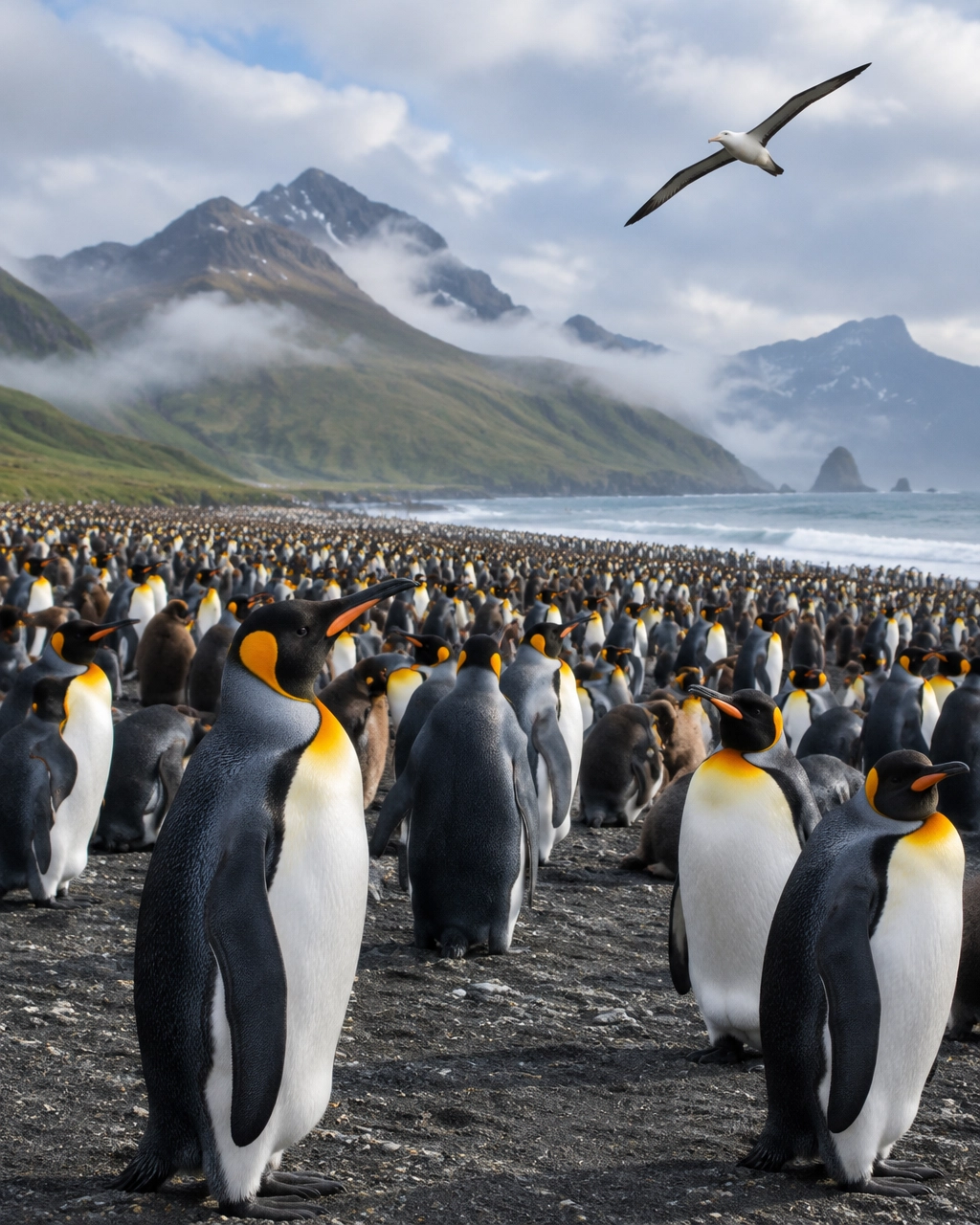
Your days may bring penguin colonies on shore, seals resting on ice floes, or whale encounters in open leads. South Georgia may offer a particularly vivid wildlife scene, with king penguins crowding the coast and albatross wheeling overhead.
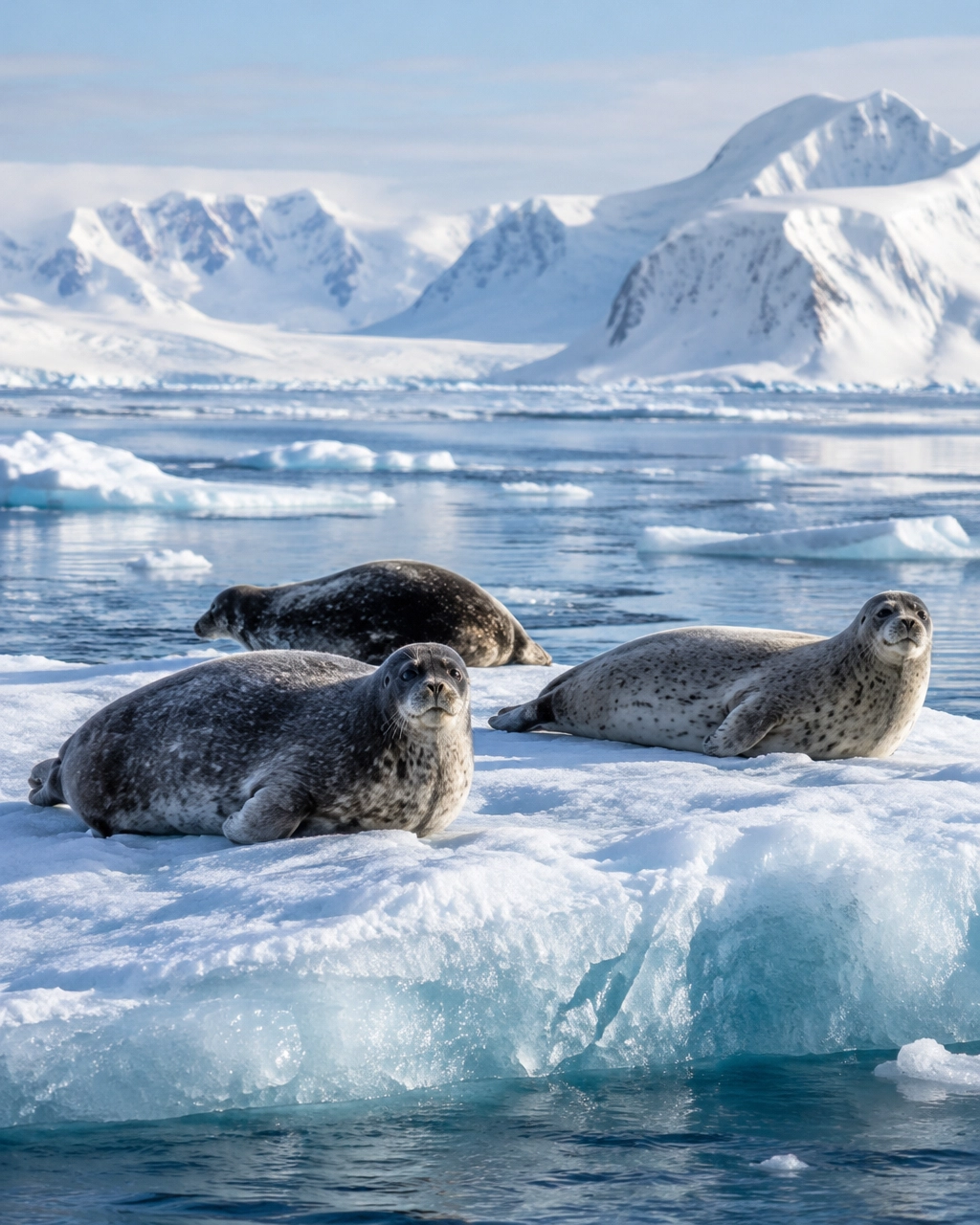
These encounters are possibilities, not promises. Wildlife moves freely, and every landing depends on ice, weather, and local conditions. An expedition leader may change plans to protect guests, wildlife, and the environment.
Late-season light, active wildlife
Late January through March falls toward the end of the Antarctic summer season. Whales may be more active, and Peninsula-side penguin colonies can be busy with chicks. Softer late-season light can also lend icebergs and mountains a warm glow, especially during long stretches outdoors.
The Weddell Sea and South Georgia combination benefits from February timing, but the late-season calendar does not make conditions predictable. Sea ice can still restrict access, and weather can change plans quickly. Think of the itinerary as an ambitious route guided by nature, not a checklist of guaranteed stops.
Practical travel tips for planning Antarctica 2027
Antarctica trips usually take many months of preparation. Planning early gives you a better chance of finding a suitable cabin category and arranging the supporting travel smoothly.
Consider these details as you plan:
- Flights and hotel nights: Build a multi-leg route through South America, and consider arriving early for a pre-voyage hotel night. A buffer can help if travel plans shift.
- Inclusions and extras: Ask what the voyage includes, and what costs extra. Clarify meals ashore, transfers, fees, gratuities, and any landing or park-related charges.
- Clothing and footwear: Pack waterproof pants and warm, insulated layers. Ask whether expedition boots are provided, or whether you need suitable waterproof boots.
- Insurance: Choose travel insurance that specifically covers expedition cruising and emergency evacuation. Check policy terms and coverage limits before paying a deposit.
- Motion sickness: The Drake Passage can be calm or rough, and sea conditions vary. If motion sickness is a concern, discuss suitable options with your healthcare professional before travel.
Landings typically involve stepping between a Zodiac and shore, then walking over uneven or slippery ground. Most travelers with reasonable mobility manage well, though some sites may require extra balance or care. If you have mobility concerns, discuss them before booking.
How a travel concierge can help
A travel concierge can match the departure to your interests, whether you’re drawn to the Bellingshausen Sea’s remoteness or the Weddell Sea and South Georgia combination. They can also coordinate your route through South America, pre-voyage hotel nights, and the details that connect flights to embarkation.
Before any deposit, ask for a clear explanation of what is included, what costs extra, and how the itinerary may change. If you’d like to learn more about a personalized planning approach, read about our travel services.
If you’re considering a closer-to-home winter expedition, explore our guide to Norway's winter coastal voyage and Northern Lights.
Disclaimer: Departures, discounts, itineraries, wildlife sightings, landings, and conditions can change without notice.
Email me at eva@javatravelusa.net to start planning your Antarctica 2027 expedition!
adventure antarctica expedition 2027 bellingshausen sea peter I island antarctica expedition route 2027 scuba diving Travel Travel Tips traveling weddell sea and south georgia antarctica expedition 2027
Share Article:

Eva