JAVATRAVEL

Contact Us!
eva@javatravelusa.net
About Us
At Java Travel, we believe that travel should be more than just a vacation, it should be a story worth telling. We specialize in personalized, meaningful travel experiences for individuals, couples, families, and small groups. From tropical escapes in the Caribbean to faith-based itineraries, bucket-list cruises, and diving adventures, we help travelers explore the world with ease, confidence, and intention.
Bangkok Art Biennale 2026 brings contemporary art into a citywide mix of temples, galleries, museums, and public spaces. From October 29, 2026, through February 28, 2027, you can explore the program under the theme “Angels & Mara.”
Some venues include Wat Arun, with its riverside silhouette, and Wat Pho, home to the famous Reclining Buddha. The festival’s exhibitions are free to visit, though some host venues may charge their usual admission. Because the program spans four months, you have room to fit it around a relaxed winter trip.
What to expect at Bangkok Art Biennale 2026
“Angels & Mara” explores contrasts such as the sacred and the everyday, desire and restraint, and destruction and renewal. That theme makes Bangkok an especially intriguing setting. Art encounters may unfold against temple architecture, city streets, or the clean lines of a contemporary gallery.
Think of the festival as a citywide invitation rather than a single exhibition hall. Wat Arun and Wat Pho are among the sacred venues, while other stops include museums, cultural spaces, and public locations. The exact experience varies by site, and the program may change. Check the official Biennale website and its venue list and map for current details before you set out.
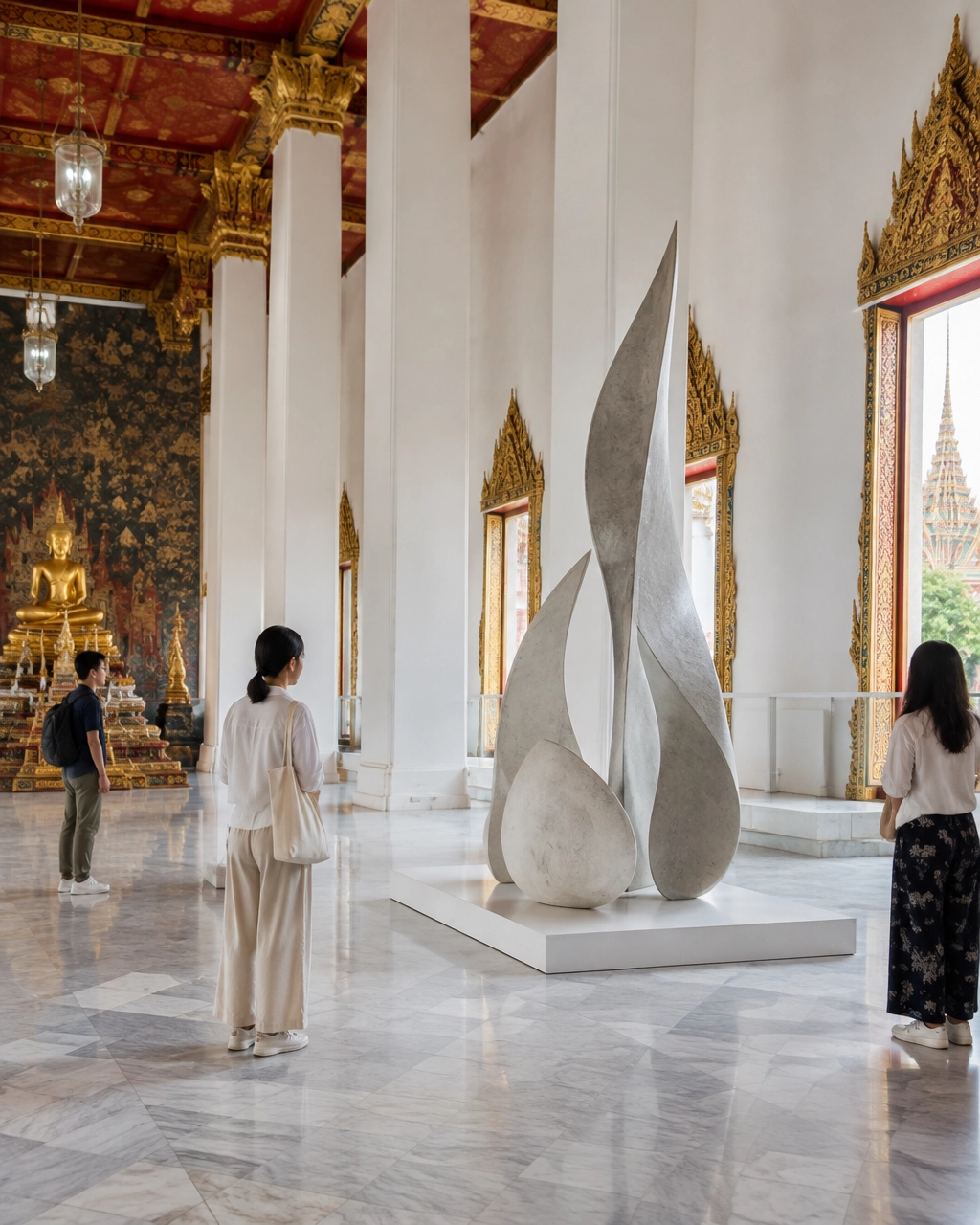
Free exhibitions, with a venue-by-venue note
The Biennale offers free access to its exhibitions. However, that does not necessarily waive a venue’s regular admission charge. A temple or museum may collect its usual entry fee, and access to a particular space can depend on the site’s schedule.
Before traveling, confirm the venue’s hours, admission policy, and whether the Biennale display is open that day. This small check can save you a detour, especially when ceremonies or temporary closures affect access.
How to plan your temple-and-art day
Bangkok’s riverside venues reward a slower pace. Start early, when the air feels fresher and the temple courtyards are less exposed to the afternoon sun. Then build in time for a riverside crossing, a meal, and a gallery visit.
A practical one-day route
Begin at Wat Pho in the morning. Explore the grounds and allow time to view any Biennale presentation available there. Afterwards, head toward the river and cross to Wat Arun by ferry. The view of the temple rising above the water is striking, especially when sunlight catches its detailed surface.
After Wat Arun, take a break for lunch or a cool drink. In the afternoon, continue to another Biennale venue that suits your interests and location. The official map can help you choose a manageable route, since the program stretches across the city.
Allow roughly four to six hours for two temple visits, travel between them, and a leisurely meal. Add more time if you want to include a museum or another gallery. A full day can feel rewarding, but there’s no need to rush from one venue to the next.
Choose the best time for each stop
For Wat Pho, aim for morning. Cooler temperatures make walking through the large temple complex more comfortable. Starting earlier also gives you flexibility to linger or shift plans if a venue is busy.
For Wat Arun, late afternoon offers softer light along the river and a beautiful view of the temple from the opposite bank. Check the site’s hours and the current ferry schedule before you go. If you visit the temple itself, remember that light and access conditions can vary.
For indoor galleries and museums, the midday hours can be a welcome break from the heat. Check each venue’s opening days and hours in advance; not every location follows the same schedule.
Getting around Bangkok
Bangkok’s rail and river routes make it easier to connect sights without relying on road traffic for every leg.
- MRT: The Blue Line is useful for reaching the old-city area. Sanam Chai station is convenient for Wat Pho and nearby attractions.
- BTS Skytrain: The BTS connects major central districts. Saphan Taksin station is a useful link to Sathorn Pier and river services.
- Chao Phraya riverboats: Boats offer a scenic way to reach riverside areas. Check each boat’s destination, operating times, and last departure at the pier.
- Cross-river ferries: These short rides connect opposite riverbanks, including the Wat Pho and Wat Arun area. Confirm the current service before boarding.
You can combine rail and boat travel: take the MRT toward the old city, explore a temple, then use a ferry or riverboat to continue along the water. For other venue clusters, consult the Biennale map and plan around nearby BTS or MRT stations.
What to wear and how to be a respectful guest
Temples remain active places of worship, not simply exhibition settings. Dress with care: cover your shoulders and knees, and choose comfortable clothing that is not sheer or overly revealing. Lightweight trousers or a below-knee skirt and a sleeved top work well in Bangkok’s warm weather.
Remove your shoes where signs or staff ask you to. Keep your voice low, give worshippers space, and follow any guidance from temple staff. Photography rules vary by venue and location within a venue, so check posted notices before taking pictures.
A small scarf or light layer can help you adapt to different indoor spaces. Comfortable walking shoes are useful too, although you may need to remove them before entering certain buildings.
Why winter is a comfortable time to go
The Biennale runs for four months, giving you a generous window to visit. Its opening weeks also overlap with Bangkok’s generally cooler, drier season, which runs from November through February. Daytime temperatures can still feel warm, but the season is often more comfortable for exploring than the hotter, wetter months.
Pack breathable clothes, sun protection, and a light layer for air-conditioned galleries or cooler evenings. Weather varies, so check a forecast close to your travel dates. If one day turns rainy, you can shift toward indoor venues and return to the riverside when conditions improve.
Add Bangkok to a longer winter escape
A two- or three-day Bangkok stay can fit neatly into a longer trip through Thailand, Vietnam, or Cambodia. You might spend one day with the Biennale’s riverside temples, another visiting galleries and city neighborhoods, and leave a little breathing room for meals and wandering.
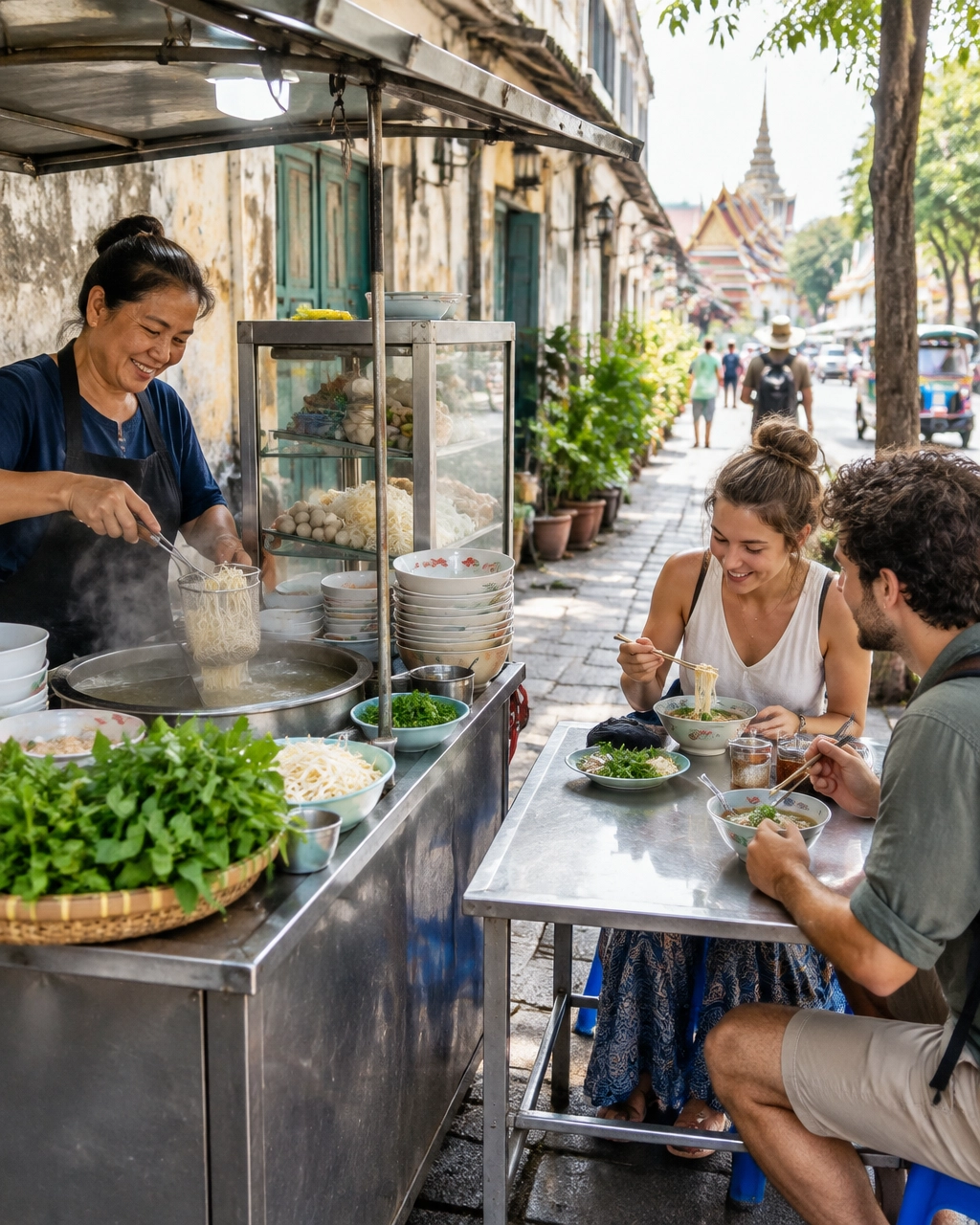
If you’re building a wider route, a short Bangkok stop adds a different rhythm to a regional journey: temple courtyards, river breezes, gallery rooms, and the lively scent of street food.
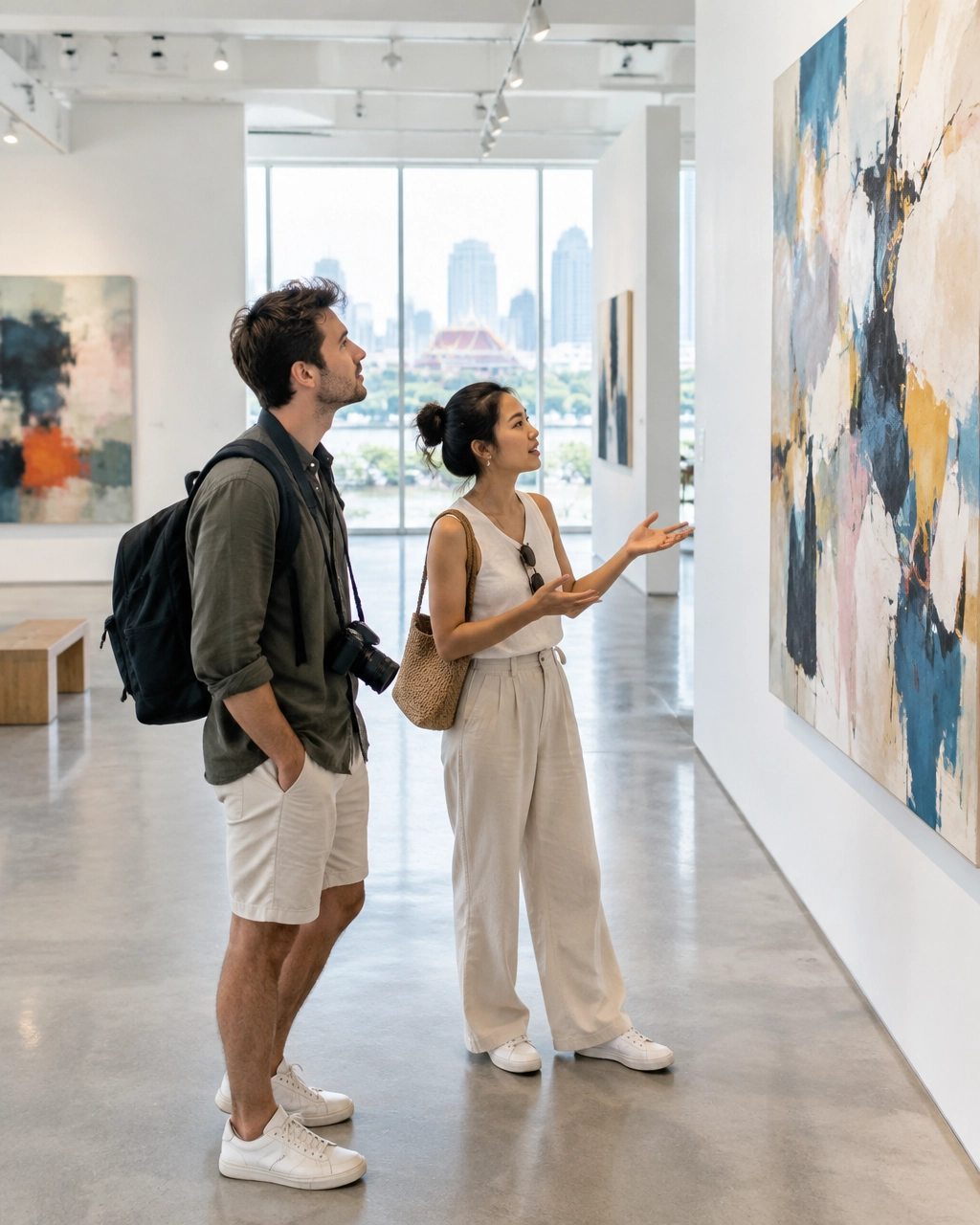
Free cultural events of this scale are rare, and Bangkok Art Biennale 2026 offers a distinctive reason to visit this winter. For current exhibition details, check the official program before you go.
Ready to add Bangkok to your winter itinerary? Email eva@javatravelusa.net, and let’s plan a trip that fits your pace.
adventure bangkok art Bangkok Art Biennale 2026 bangkok art temple sacred temples guide bangkok temples bangkok thailand beach thailand travel Travel Travel Tips traveling
Share Article:

Eva