JAVATRAVEL

Contact Us!
eva@javatravelusa.net
About Us
At Java Travel, we believe that travel should be more than just a vacation, it should be a story worth telling. We specialize in personalized, meaningful travel experiences for individuals, couples, families, and small groups. From tropical escapes in the Caribbean to faith-based itineraries, bucket-list cruises, and diving adventures, we help travelers explore the world with ease, confidence, and intention.
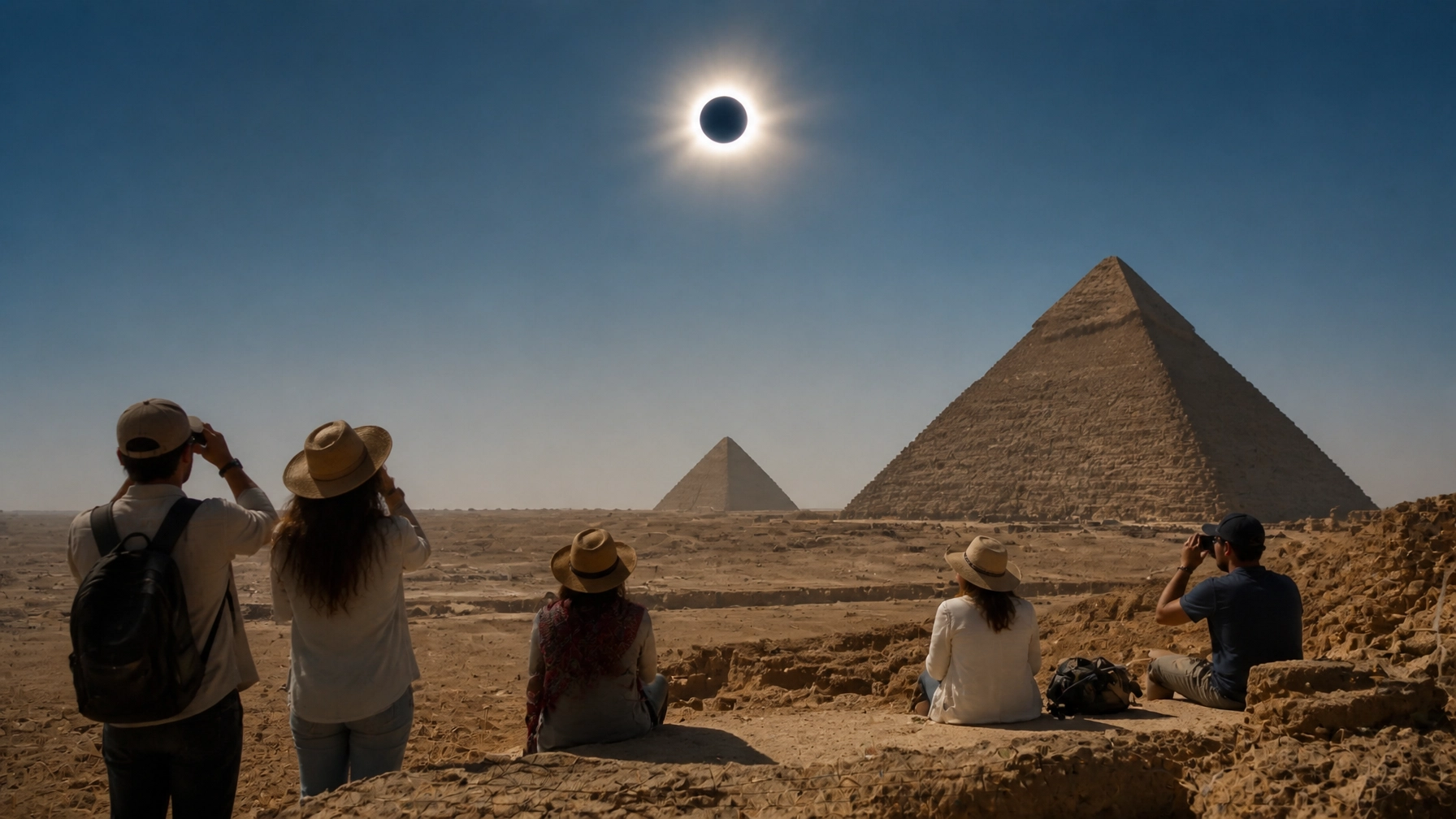
Planning a journey for a total solar eclipse feels rare because it is. On August 2, 2027, Egypt offers an extraordinary setting for this celestial event. With a travel concierge, you can combine eclipse logistics, ancient sites, comfortable stays, and optional Red Sea diving.
However, schedules, regulations, site hours, and attraction opening dates can change. Use this guide as a planning foundation. Always verify current entry rules, customs requirements, attraction hours, equipment policies, and local operations before departure.
Why Egypt Is Prime Viewing Territory
The 2027 eclipse will cross a large section of Egypt. The path of totality includes Upper Egypt, with Luxor and nearby areas offering especially long totality.
According to NASA’s eclipse information, totality will last more than six minutes near the central line. That duration makes this eclipse especially appealing for first-time viewers and experienced photographers.
Egypt also offers favorable August conditions. Upper Egypt typically experiences very dry weather and minimal cloud cover. However, the midday heat can become intense.
You should expect bright sun, hot stone, and dry desert air. Plan for shade, water, electrolytes, lightweight clothing, and strong sun protection.
Choose a Location Inside the Path
Cairo and Alexandria will not experience totality. They will see a partial eclipse instead.
For the full experience, consider these general areas:
- Luxor: The most practical base for many travelers.
- The West Bank: Open horizons and easy access to major archaeological sites.
- Sohag or Asyut: Strong options near the central path.
- Dendera: A compelling alternative with ancient architecture nearby.
- Bahariya Oasis: A remote desert option with excellent sky conditions.
- Selected Red Sea areas: Some portions may fall within the eclipse path.
Luxor offers the best balance of access, hotels, sightseeing, and eclipse duration. A remote desert location may provide a quieter experience. It also requires more complex transportation and local coordination.
For technical eclipse mapping, review timeanddate’s Egypt eclipse information before choosing your final position.
Egypt Travel Tips for Booking Early
The Egypt eclipse 2027 journey will attract travelers from around the world. Popular hotels, Nile cruises, private vehicles, and guides may become limited.
Therefore, start planning well ahead of August 2027. Early planning gives you more control over:
- Your preferred hotel category.
- Your eclipse viewing location.
- Private transportation.
- Nile cruise availability.
- Domestic connections.
- Flexible cancellation terms.
- Special equipment handling.
- A backup viewing plan.
Consider arriving in your eclipse region several days early. This approach reduces stress and gives you time to adjust after international travel.
It also protects your eclipse day from one avoidable risk: arriving from another city that morning.
A Practical Egypt Itinerary
A well-paced itinerary might include:
- Cairo and the Giza Plateau.
- A flight or train connection to Luxor.
- Luxor’s East and West Bank sites.
- Eclipse-day positioning near your selected viewing area.
- A few relaxed days after totality.
- An optional Red Sea extension for certified divers.
You can also reverse the order. Your best sequence depends on flight schedules, heat tolerance, interests, and equipment needs.
Work With a Travel Concierge
Why a Travel Concierge Helps
A travel concierge can coordinate the details that matter most for eclipse travel. This includes hotels, transfers, guides, site visits, special requests, and backup plans.
More importantly, eclipse travel requires timing. A beautiful itinerary can still fail if the viewing location sits outside totality. Your transportation plan must also account for road conditions, crowd movement, and local access restrictions.
A concierge can help you compare:
- Luxor versus a central-line desert location.
- A hotel-based viewing event versus a private setup.
- City sightseeing versus a Nile cruise.
- A Red Sea diving extension.
- Flexible versus nonrefundable reservations.
- Equipment transport and customs preparation.
Explore custom trip planning options if you want help building the full journey.
Customs Planning for Photography and Astronomy Gear
This requirement deserves early attention.
For the Egypt eclipse 2027 trip, all professional photography, astronomy, or observation gear must be reported to customs in advance. Do not wait until the airport.
Begin collecting equipment specifications as soon as you decide what to bring. Then verify the current process with the appropriate Egyptian authorities, your airline, and your travel professional.
The Egyptian Customs passenger guidance should remain part of your preparation.
Create a Detailed Equipment Inventory
Prepare a clear list for every professional or specialized item. Include:
- Equipment type.
- Manufacturer and model.
- Serial number.
- Quantity.
- Weight.
- Country of origin.
- Purchase value.
- Intended use.
- Proof of ownership.
Keep digital and printed copies. Pack receipts, insurance details, and any letters explaining the equipment’s temporary use.
Your list may include cameras, long lenses, tracking mounts, telescopes, solar filters, dedicated astronomy cameras, tripods, laptops, and related accessories.
Do not assume a small-looking item avoids review. If it forms part of a professional observation setup, include it.
Also check restrictions on drones, radio equipment, satellite phones, advanced GPS devices, and other specialized electronics. Rules can change, and enforcement may vary by airport.
Follow Local Photography Rules
Personal photography rules do not remove every restriction. Avoid photographing military, police, government, embassy, infrastructure, or other sensitive locations.
Ask permission before photographing people. Be especially thoughtful in rural areas and conservative communities.
The official photography guidance from Egypt’s monuments authority provides useful background. Still, confirm the current rules before departure.
Ramadan 2027 and Egypt Sightseeing
Ramadan 2027 is expected to run approximately from February 9 through March 9. The dates may shift slightly based on lunar observation.
This period occurs before the August eclipse. However, it matters if you visit Egypt early, scout locations, or build a longer travel calendar.
During Ramadan, many museums may close around 3:00 PM. Archaeological sites may close around 4:00 PM. Some major sites may operate until approximately 4:30 PM.
Therefore, front-load your daytime sightseeing.
Plan Morning Visits
Schedule museums, pyramids, temples, and monuments early. Aim to arrive shortly after opening whenever possible.
This strategy also helps you avoid the strongest afternoon heat. In addition, ticket counters may close before the listed attraction closing time.
Some Upper Egypt sites may retain longer daytime hours. Red Sea museums may use split schedules, with evening openings after sunset.
However, do not rely on previous years’ schedules. Check official announcements shortly before travel. The recent Ramadan operating-hour guidance illustrates the pattern, not a guarantee for 2027.
The New Tethered Balloon Over Giza
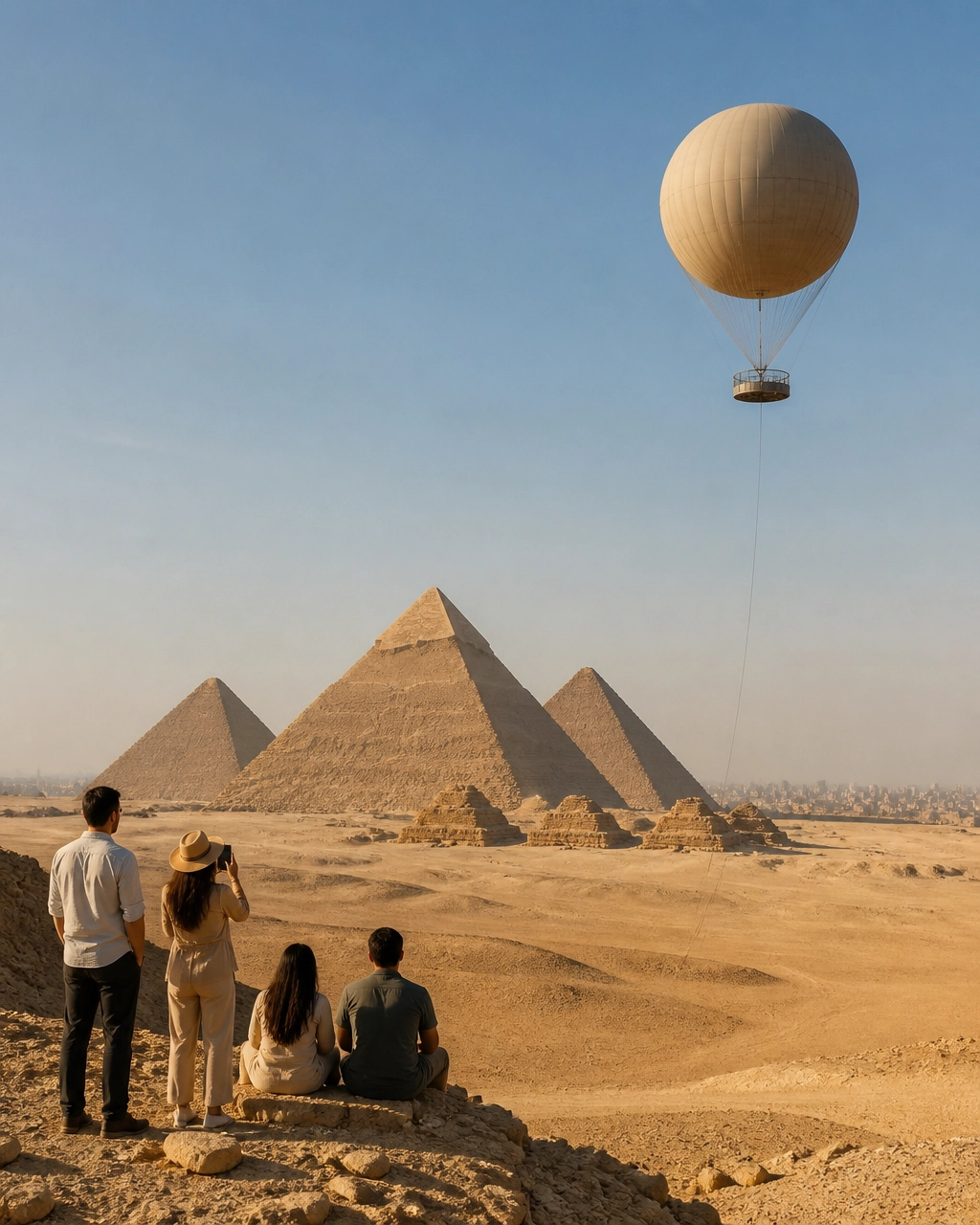
A new tethered helium balloon near the Giza pyramids may add another memorable perspective.
Reports describe a balloon reaching up to approximately 150 meters. Flights may last around 15 minutes. Multilingual service has also been reported, with commentary available in several languages.
The attraction reportedly sits outside the immediate archaeological boundaries. It may provide broad views of the pyramids, surrounding desert, and Giza area.
However, the public opening date remains unannounced. Trial operations and safety checks must finish first. Ticket prices and final booking details may also change.
Treat the balloon as an optional addition. Do not build your entire itinerary around it yet.
Before departure, check current information through official local channels. You should also verify:
- Whether public flights have started.
- Operating days and hours.
- Weather-related closures.
- Accessibility requirements.
- Ticket availability.
- Transportation to the launch area.
- Photography rules from the balloon.
For current project updates, review recent reporting about the Giza balloon.
Planning Your Eclipse Day
Eclipse day should feel calm, not rushed.
Arrive at your selected viewing area several hours before the partial eclipse begins. This allows time for security, transportation delays, setup, and final position checks.
Choose an open location with an unobstructed sky. You need shade during the long partial phases. You also need a comfortable place to stand or sit.
Build a Backup Viewing Plan
Even with clear desert weather, local conditions can change. Dust, haze, road closures, crowds, or equipment issues can disrupt a plan.
Create a backup location inside the path of totality. Keep it reachable by road. Confirm the route, driving time, vehicle capacity, and local access requirements in advance.
Your backup should not depend on a last-minute crossing of the entire country. A nearby alternative offers much better protection.
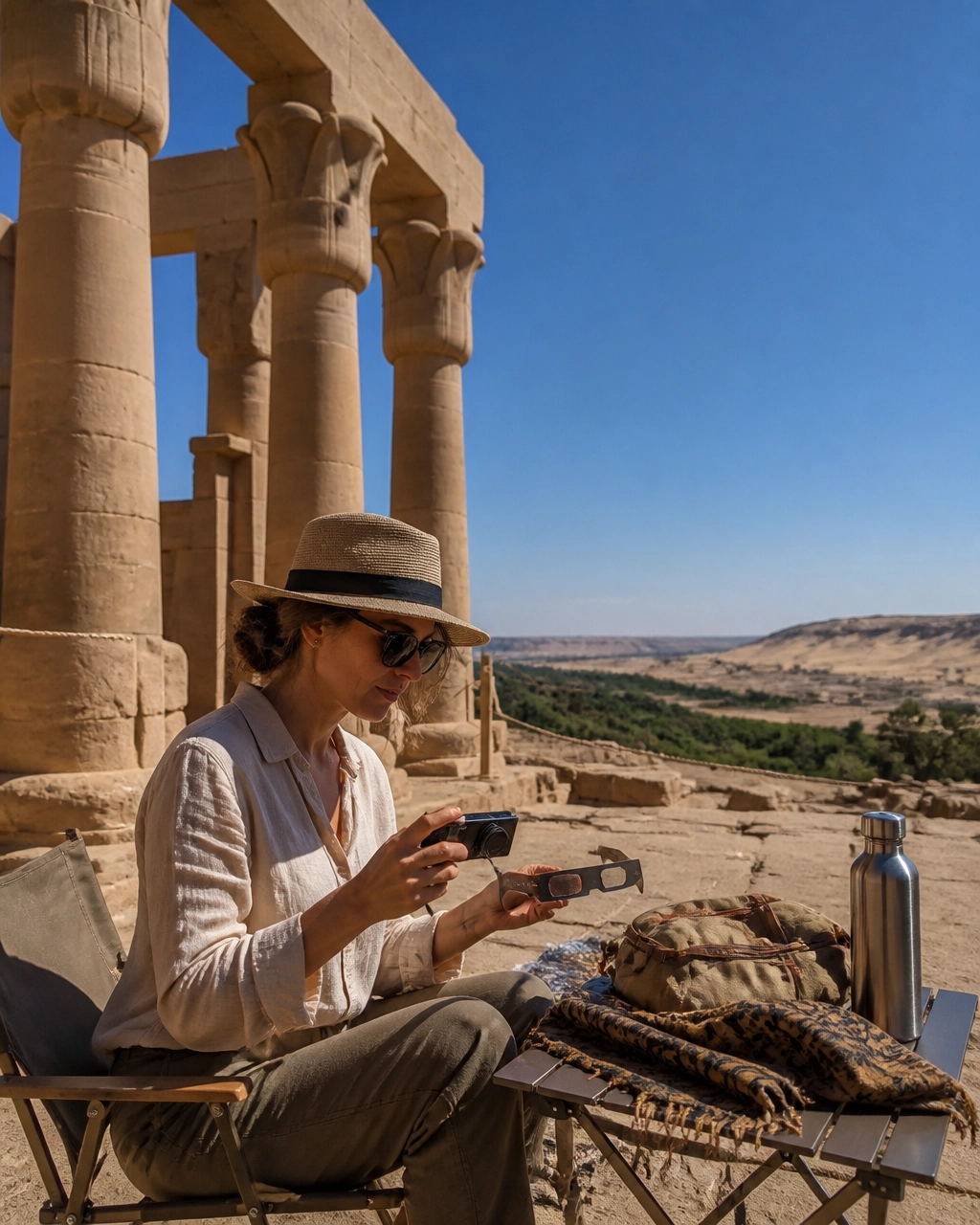
Use certified solar viewers or filters during every partial phase. Remove them only during totality itself. Follow the instructions provided with your certified equipment.
Add Red Sea Diving After the Eclipse
Certified divers may want to extend their Egypt travel with Red Sea diving.
This add-on works particularly well after the eclipse. You can slow down beside warm water, colorful reefs, and clear blue horizons.
Choose your base according to your diving style:
- Sharm El-Sheikh: Reef walls, varied sites, and strong infrastructure.
- Hurghada: Accessible reef and wreck diving.
- Marsa Alam: Quieter reefs and opportunities for larger marine life.
Your certification, recent experience, and comfort with currents should guide the choice. Site access depends on weather, sea conditions, and local operator decisions.
If you dive before flying, follow your dive professional’s required surface interval. Build extra time into the itinerary rather than rushing from the boat to the airport.
A Simple Planning Checklist
Before booking, confirm:
- Your chosen location sits inside totality.
- Your passport meets current entry requirements.
- You understand current visa options.
- Your professional gear has been reported in advance.
- Your equipment inventory includes specifications and serial numbers.
- Your hotel and transportation have flexible terms when possible.
- Your eclipse-day site has shade and open horizons.
- Your backup location remains inside the path.
- Your current attraction and museum hours are confirmed.
- Your balloon plans remain flexible.
- Your diving extension matches your certification and experience.
Egypt eclipse 2027 planning rewards patience. Start with the viewing location, then build the itinerary around it.
The pyramids, temples, desert, and Red Sea can fill the days around totality. The eclipse itself will last only minutes. Your preparation helps those minutes feel effortless.
Ready to begin your Egypt travel plans? Email eva@javatravelusa.net to start planning early, and let’s build a thoughtful eclipse journey around your priorities.
adventure Egypt Eclipse 2027: A Practical Planning Guide for the Total Solar Eclipse scuba diving Travel Travel Tips traveling
Share Article:

Eva